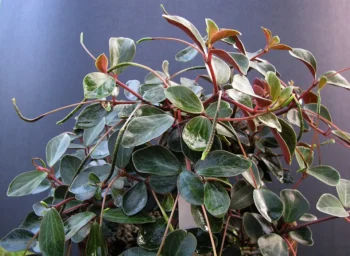
Singlespike Peperomia: A Rare Hawaiian Native Worth Protecting
Meet the singlespike peperomia (Peperomia sandwicensis), a charming little Hawaiian native that’s as unique as it is vulnerable. This diminutive herb might not steal the spotlight like a flashy hibiscus, but it has its own quiet appeal that makes it a treasure worth knowing about – and protecting.
What Makes Singlespike Peperomia Special?
The singlespike peperomia is a small, succulent-like forb that’s completely at home in Hawaii’s diverse ecosystems. As an annual herb, it completes its entire life cycle in one growing season, making the most of Hawaii’s favorable climate. Its thick, fleshy leaves give it an almost succulent appearance, arranged in attractive rosettes or along delicate stems.
What really sets this plant apart is its status as a true Hawaiian endemic – it exists nowhere else on Earth except across the Hawaiian Islands, including Oahu, Maui, the Big Island, and Molokai.
- Species observed
- No observations
A Plant That Needs Our Help
Here’s where things get serious: the singlespike peperomia has a Global Conservation Status of S3, meaning it’s considered vulnerable. With typically only 21 to 100 occurrences and between 3,000 to 10,000 individuals remaining, this little plant is fighting for survival in its native habitat.
If you’re interested in growing this rare beauty, please – and we can’t stress this enough – only source it from reputable native plant nurseries that propagate plants responsibly. Never collect from the wild, as this could harm already vulnerable populations.
Growing Singlespike Peperomia
Ideal Growing Conditions
This Hawaiian native thrives in:
- Partial to full shade (it’s not a sun lover!)
- Well-draining soil that doesn’t stay soggy
- USDA hardiness zones 10-12 (think tropical paradise)
- Areas protected from strong winds
- Moderate moisture levels
Perfect Garden Spots
The singlespike peperomia works beautifully in:
- Native Hawaiian gardens
- Shaded rock gardens
- Container plantings on patios or lanais
- Ground cover in partially shaded areas
- Specialty collections of rare plants
Planting and Care Tips
Growing this little gem successfully is all about mimicking its natural habitat:
- Soil: Use well-draining potting mix or amend garden soil to prevent waterlogging
- Watering: Keep soil moderately moist but never soggy – think damp sponge, not swimming pool
- Light: Provide bright, indirect light or dappled shade
- Temperature: Protect from temperatures below 50°F
- Fertilizing: Use a diluted, balanced fertilizer sparingly during growing season
What About Wildlife?
The singlespike peperomia has a facultative wetland status, meaning it can adapt to both wetland and non-wetland conditions – pretty impressive for such a small plant! While its tiny, inconspicuous flower spikes aren’t major pollinator magnets, they do contribute to the overall ecosystem diversity that supports Hawaii’s native wildlife.
Should You Grow It?
If you live in a suitable climate (zones 10-12) and can source plants responsibly, absolutely! Growing rare native plants like the singlespike peperomia is a meaningful way to participate in conservation efforts. Every plant grown in cultivation is one more insurance policy against extinction.
However, if you can’t find responsibly sourced plants, consider supporting conservation organizations working to protect Hawaiian native plants instead. Sometimes the best way to help a rare plant is to protect its natural habitat.
The singlespike peperomia may be small and unassuming, but it represents something much larger – the incredible biodiversity of Hawaii and our responsibility to protect it. Whether you grow it in your garden or simply appreciate it from afar, this little plant reminds us that every species, no matter how small, has value worth preserving.