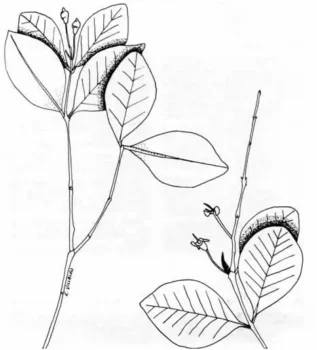
Sintenis’ Guava: A Critically Endangered Puerto Rican Treasure Worth Protecting
Meet Sintenis’ guava (Psidium sintenisii), one of Puerto Rico’s most precious—and precarious—native trees. This remarkable species isn’t your typical backyard addition, but for dedicated native plant enthusiasts and conservation-minded gardeners, it represents something truly special: a chance to help preserve a piece of Caribbean botanical heritage that’s hanging by a thread.
A Rare Island Endemic
Sintenis’ guava is exclusively native to Puerto Rico, making it what botanists call an endemic species. This perennial tree typically grows 13 to 16 feet tall (sometimes shorter depending on conditions), developing a single trunk and creating an attractive canopy of glossy green foliage. Despite being part of the guava family, this species has earned its own unique place in Puerto Rico’s natural landscape.
Unfortunately, you won’t find this tree growing wild across the island anymore. Psidium sintenisii holds a Global Conservation Status of S1, meaning it’s critically imperiled with typically five or fewer known occurrences and fewer than 1,000 individuals remaining in the wild. That’s about as rare as plants get without disappearing entirely.
- Species observed
- No observations
Why This Plant Matters
Beyond its rarity, Sintenis’ guava offers several appealing qualities for the right garden setting:
- Attractive appearance: Small white flowers followed by edible fruits
- Pollinator support: Blossoms attract bees and other beneficial insects
- Conservation value: Every cultivated specimen helps preserve genetic diversity
- Cultural significance: Represents Puerto Rico’s unique botanical heritage
Growing Conditions and Care
If you’re fortunate enough to obtain responsibly sourced Sintenis’ guava, here’s what this tropical beauty needs to thrive:
Climate Requirements: This tree is strictly tropical, suitable only for USDA hardiness zones 10-11. It cannot tolerate frost or extended cool periods, making it impossible to grow outdoors in most of the continental United States.
Site Conditions: Sintenis’ guava has a facultative wetland status, meaning it can adapt to both wetland and non-wetland conditions. However, it generally prefers:
- Well-drained soil that doesn’t stay waterlogged
- Partial to full sun exposure
- Consistent warmth and humidity
- Protection from strong winds
Maintenance: Once established, provide regular watering during dry periods and protect from any temperature drops. Young trees may need staking in windy locations.
A Word of Caution and Responsibility
Here’s the crucial part: due to its critically imperiled status, Sintenis’ guava should only be planted using responsibly sourced material. This means:
- Never collect seeds or cuttings from wild populations
- Only purchase from reputable nurseries working with conservation programs
- Consider participating in official seed banking or conservation efforts
- Connect with botanical gardens or universities involved in Puerto Rican plant conservation
Is This Tree Right for Your Garden?
Honestly? For most gardeners, the answer is probably no—but not because it isn’t wonderful. Sintenis’ guava requires very specific tropical conditions and responsible sourcing that makes it challenging for casual cultivation. However, if you’re a serious native plant enthusiast in Puerto Rico or southern Florida, passionate about conservation, and can source plants ethically, this species offers a meaningful way to participate in preserving Caribbean biodiversity.
For gardeners outside tropical zones or those seeking easier-to-source alternatives, consider exploring other native Psidium species or similar native trees appropriate for your region. Every choice to plant native species—whether rare or common—supports local ecosystems and wildlife.
Sometimes the most valuable plants aren’t the ones we can easily grow, but the ones that remind us why plant conservation matters in the first place.