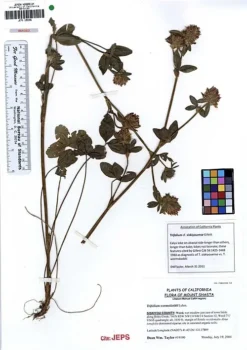
Siskiyou Clover: A Rare Native Gem for Pacific Northwest Gardens
If you’re looking to add a touch of regional authenticity to your Pacific Northwest garden, Siskiyou clover might just be the hidden treasure you’ve been seeking. This charming native wildflower brings both ecological value and understated beauty to the right garden setting, though it comes with some important considerations for responsible gardeners.
What is Siskiyou Clover?
Siskiyou clover (Trifolium siskiyouense) is a perennial forb native to a very specific region of the American West. As a member of the legume family, this low-growing herbaceous plant produces the classic three-leaflet clover leaves and small, rounded flower heads that range from white to soft pink. Unlike its more common cousins, this clover has adapted to the unique conditions of its mountainous homeland.
Where Does It Grow Naturally?
This special clover calls the Siskiyou Mountains home, growing naturally only in southwestern Oregon and northwestern California. Its limited native range makes it a true regional specialty – think of it as the local artisan cheese of the plant world!
- Species observed
- No observations
Important Conservation Note
Here’s where things get serious: Siskiyou clover has a Global Conservation Status of S3S4Q, indicating it’s considered rare and potentially vulnerable. This means if you’re interested in growing this beautiful native, you’ll want to source it responsibly from reputable native plant nurseries that propagate rather than wild-collect their plants. Never harvest seeds or plants from wild populations.
Why Grow Siskiyou Clover?
Despite its rarity concerns, there are compelling reasons to include this native in appropriate garden settings:
- True regional native: Perfect for gardeners wanting authentic local flora
- Pollinator magnet: The small flowers provide nectar for native bees, butterflies, and other beneficial insects
- Low maintenance: Once established, it’s quite drought-tolerant and requires minimal care
- Ground cover potential: Forms attractive low mats that can help suppress weeds
- Nitrogen fixation: Like other legumes, it helps improve soil fertility
Best Garden Settings
Siskiyou clover isn’t meant for every garden, but it shines in specific situations:
- Native plant gardens focused on regional species
- Rock gardens with well-drained conditions
- Naturalized meadow areas
- Restoration projects in appropriate regions
- Educational or botanical gardens showcasing rare natives
Growing Conditions and Care
This mountain native appreciates conditions that mirror its homeland:
- Sunlight: Full sun to partial shade
- Soil: Well-drained soils; tolerates poor, rocky conditions
- Water: Moderate water needs; drought-tolerant once established
- Climate: Best suited for USDA zones 7-9
- Maintenance: Very low once established
Planting and Establishment Tips
Success with Siskiyou clover starts with proper planting:
- Plant in spring after last frost danger passes
- Ensure excellent drainage – this plant hates soggy feet
- Space plants appropriately to allow for natural spreading
- Water regularly during the first growing season to establish roots
- Once established, reduce watering and let natural rainfall do most of the work
- Allow some plants to go to seed if you want natural reproduction
The Bottom Line
Siskiyou clover represents both an opportunity and a responsibility. For gardeners in or near its native range who can source plants ethically, it offers a chance to grow something truly special while supporting regional biodiversity. Its rarity makes it unsuitable for casual gardening, but perfect for dedicated native plant enthusiasts who understand the importance of conservation-minded gardening.
If you can’t find responsibly-sourced Siskiyou clover, consider other native clovers in your region that can provide similar ecological benefits without the conservation concerns. Remember, the best native garden is one that supports local ecosystems while respecting the rarity and value of our most precious plant communities.