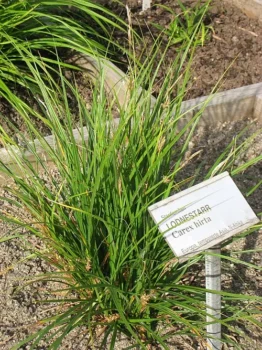
Siskiyou Sedge: A Pacific Northwest Native Worth Growing
If you’re looking to add authentic Pacific Northwest character to your garden while supporting local ecosystems, Siskiyou sedge (Carex scabriuscula) might be exactly what you need. This charming native perennial brings subtle beauty and ecological value to gardens across its natural range.
Meet the Siskiyou Sedge
Siskiyou sedge is a graminoid—that’s botanist-speak for a grass-like plant that’s actually a member of the sedge family rather than a true grass. This perennial native has made its home in the beautiful Siskiyou Mountains region, where it has adapted perfectly to the unique climate and growing conditions of southwestern Oregon and northwestern California.
The plant also goes by the synonym Carex gigas in some older botanical references, but Carex scabriuscula is the currently accepted scientific name.
Where Does Siskiyou Sedge Grow?
This sedge is native to a relatively small geographic area, naturally occurring in California and Oregon. Its distribution is centered in the Siskiyou Mountains region, making it a true regional specialty that reflects the unique character of this bioregion.
- Species observed
- No observations
A Note About Rarity
Before we dive into growing tips, it’s important to know that Siskiyou sedge has a Global Conservation Status of S3S4, indicating it may be somewhat uncommon in its native range. If you decide to add this plant to your garden, please source it responsibly from reputable native plant nurseries that propagate their own stock rather than collecting from wild populations.
Why Grow Siskiyou Sedge?
There are several compelling reasons to consider this native sedge for your landscape:
- Authentic regional character: Few plants capture the essence of the Pacific Northwest quite like native sedges
- Low maintenance: Once established, these perennials require minimal care
- Versatile placement: Works beautifully in naturalistic plantings, rain gardens, and woodland settings
- Erosion control: The root system helps stabilize soil, especially useful on slopes or near water features
- Wildlife habitat: While not a major pollinator plant (sedges are wind-pollinated), it provides habitat structure for various creatures
Growing Conditions and Care
Siskiyou sedge is classified as a facultative wetland plant in both the Arid West and Western Mountains regions, meaning it usually thrives in wetland conditions but can adapt to drier sites. Here’s what it needs to flourish:
Preferred Growing Conditions:
- Moisture: Prefers consistently moist to wet soils
- Light: Partial shade to full sun
- Soil: Adaptable to various soil types, but thrives in moisture-retentive conditions
- Hardiness: Suitable for USDA zones 7-9
Planting and Care Tips:
- Plant in spring or fall when temperatures are moderate
- Space plants 12-18 inches apart for natural clumping
- Water regularly during the first growing season to establish roots
- Once established, supplemental watering may not be necessary if planted in appropriate conditions
- Divide clumps every 3-4 years if you want to propagate or control spread
- Cut back old foliage in late winter or early spring
Design Ideas and Landscape Uses
Siskiyou sedge shines in several garden settings:
- Native plant gardens: Perfect for authentic Pacific Northwest plant communities
- Rain gardens: Excellent choice for managing stormwater runoff
- Woodland gardens: Provides textural interest in partially shaded areas
- Pond or stream edges: Natural choice for water feature plantings
- Naturalistic landscapes: Creates soft, informal borders and transitions
The Bottom Line
Siskiyou sedge offers gardeners in its native range an opportunity to grow an authentic regional plant that requires minimal maintenance while providing ecological benefits. Its somewhat uncommon status makes responsible sourcing important, but also makes it a special addition that truly reflects the unique character of Pacific Northwest landscapes.
If you’re gardening in California or Oregon and want to create habitat while celebrating your region’s natural heritage, Siskiyou sedge deserves a spot in your landscape. Just remember to source it responsibly and give it the moist conditions it loves—your local ecosystem will thank you!