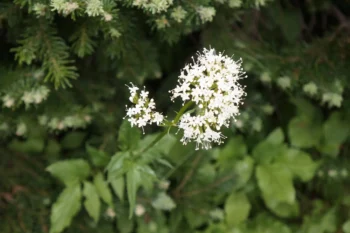
Sitka Valerian: A Fragrant Native Beauty for Your Garden
If you’re looking for a native plant that combines delicate beauty with robust performance, meet Sitka valerian (Valeriana sitchensis). This charming perennial might not be the flashiest plant in your garden, but it’s definitely one of the most reliable—and your pollinators will thank you for it!
What Makes Sitka Valerian Special?
Sitka valerian is a true North American native, naturally occurring across a vast range from Alaska down to California and throughout much of western Canada. You’ll find this hardy perennial thriving in states including Alaska, California, Idaho, Montana, Oregon, Washington, and the Canadian provinces of Alberta, British Columbia, Yukon, and Northwest Territories.
- Species observed
- No observations
As a perennial forb (that’s garden-speak for a non-woody plant that comes back year after year), Sitka valerian typically reaches 1-4 feet in height. Its compound leaves create an attractive backdrop for the real showstopper: clusters of small, fragrant white to pale pink flowers that bloom in dense, rounded heads during late spring and early summer.
Why Your Garden (and Local Wildlife) Will Love It
There are plenty of reasons to give Sitka valerian a spot in your landscape:
- Pollinator magnet: Those sweetly scented flower clusters are like a dinner bell for butterflies, bees, and other beneficial insects
- Adaptable nature: With a facultative wetland status, this plant can handle both moist and moderately dry conditions
- Low maintenance: Once established, it’s remarkably self-sufficient
- Native credentials: You’re supporting local ecosystems by choosing a plant that belongs here
Perfect Garden Settings
Sitka valerian shines in several garden styles:
- Woodland gardens: Its natural habitat makes it perfect for shaded, naturalized areas
- Native plant gardens: An authentic choice for regional native plantings
- Meadow gardens: Adds texture and fragrance to wildflower meadows
- Rain gardens: Thanks to its facultative wetland status, it can handle varying moisture levels
Growing Sitka Valerian Successfully
The good news? Sitka valerian isn’t particularly fussy. Here’s what it needs to thrive:
Hardiness: This tough customer handles USDA zones 3-8, making it suitable for most northern and mountainous regions.
Light requirements: Partial shade to full sun works well, though it appreciates some afternoon shade in hotter climates.
Soil preferences: Moist, well-draining soil rich in organic matter is ideal. It can tolerate a range of soil types but performs best with consistent moisture.
Planting tips: Spring or fall planting works best. Space plants about 18-24 inches apart to allow for their mature spread. Adding compost or leaf mold to the planting area will give them a great start.
Care and Maintenance
Once established, Sitka valerian is refreshingly low-maintenance:
- Watering: Keep soil consistently moist, especially during dry spells
- Fertilizing: Usually unnecessary if planted in good soil; a spring application of compost is plenty
- Deadheading: Optional, but removing spent flowers can encourage additional blooms
- Winter care: Cut back after frost, or leave standing for winter interest and wildlife habitat
A Few Things to Keep in Mind
While Sitka valerian is generally well-behaved, it can self-seed in favorable conditions. This isn’t necessarily a bad thing—more free plants!—but keep an eye on it if you prefer a more controlled garden look.
The plant’s fragrance is generally pleasant to humans, but like its European cousin (garden heliotrope), some people find the scent of the roots less appealing when disturbed.
The Bottom Line
Sitka valerian offers gardeners a wonderful combination of native authenticity, pollinator appeal, and easy care. While it might not be the most dramatic plant you’ll ever grow, it’s the kind of reliable, beneficial addition that makes a garden feel complete. Plus, there’s something deeply satisfying about growing a plant that truly belongs in your corner of the world.
Whether you’re creating a native plant haven or just want to add some fragrant, pollinator-friendly blooms to your landscape, Sitka valerian deserves serious consideration. Your local butterflies—and your low-maintenance gardening schedule—will definitely approve!