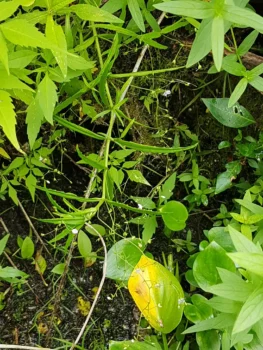
Skullcap Speedwell: A Native Gem for Your Wetland Garden
If you’ve been searching for a charming native plant that thrives in those perpetually soggy spots in your yard, let me introduce you to skullcap speedwell (Veronica scutellata). This delightful little perennial might just be the perfect solution for that boggy area where other plants fear to tread.
What Is Skullcap Speedwell?
Skullcap speedwell is a native North American perennial forb – that’s botanist-speak for a non-woody flowering plant. Don’t let the technical term fool you; this is simply a lovely herbaceous plant that comes back year after year without any fuss from you.
As its common name suggests, this plant belongs to the speedwell family, known for their quick-spreading growth habits and cheerful little flowers. The skullcap part of the name refers to the shape of the seed pods, which some creative botanist thought resembled tiny helmets.
Where Does It Come From?
Here’s what makes skullcap speedwell truly special – it’s authentically North American! This plant is native across an impressively wide range, including Alaska, Canada, and most of the lower 48 states. You’ll find it naturally growing from coast to coast, from the chilly reaches of Nunavut down to Louisiana, and from California to Maine.
- Species observed
- No observations
This extensive native range tells us something important: this plant is incredibly adaptable and has been thriving in North American ecosystems for thousands of years.
The Beauty of Skullcap Speedwell
While skullcap speedwell won’t win any showiest flower contests, its subtle beauty is absolutely enchanting. The plant produces delicate white or pale blue flowers adorned with darker blue veining that creates an almost painted appearance. These sweet little blooms appear from spring through fall, providing a long season of gentle color.
The flowers are small but numerous, creating a lovely carpet effect when the plant is happy in its preferred wet conditions. The overall appearance is delicate and naturalistic – perfect for gardeners who prefer understated elegance over bold statements.
Why Your Garden Needs This Wetland Wonder
Here’s where skullcap speedwell really shines: it’s classified as an obligate wetland plant across all regions of North America. This means it almost always occurs in wetlands and absolutely loves consistently moist to wet soil conditions.
If you have any of these challenging spots in your landscape, skullcap speedwell could be your new best friend:
- Rain garden areas that stay soggy after storms
- Pond margins and water garden edges
- Low-lying areas where water naturally collects
- Boggy spots where other plants struggle or rot
- Naturalized wetland restoration projects
Garden Design and Landscape Role
Skullcap speedwell works beautifully as a ground cover in wet areas, spreading to form naturalistic drifts. It’s perfect for:
- Rain gardens: Plant it alongside other native wetland species for a low-maintenance, eco-friendly solution
- Bog gardens: Creates a lovely carpet effect around taller wetland plants
- Pond landscapes: Softens hardscaped water features with its delicate texture
- Wildlife gardens: Provides habitat and food sources for native creatures
- Naturalized areas: Perfect for meadow-style plantings in moist locations
Pollinator and Wildlife Benefits
Don’t underestimate this little plant’s ecological value! The small flowers are perfectly sized for tiny native bees, beneficial flies, and other small pollinators. The long blooming season means it provides a reliable nectar source from spring through fall when many other plants have finished flowering.
As a native plant, it also supports local ecosystem food webs in ways that non-native plants simply cannot match.
Growing Conditions and Care
The beauty of skullcap speedwell lies in its simplicity. Once you understand its basic needs, it’s remarkably easy to grow:
Light: Full sun to partial shade – it’s quite flexible
Soil: Consistently moist to wet conditions are essential. It can handle various pH levels but must have adequate moisture
Hardiness: Thrives in USDA zones 3-8, making it suitable for most North American gardens
Maintenance: Virtually none once established in appropriate conditions
Planting and Care Tips
Getting skullcap speedwell established is straightforward:
- Timing: Plant in spring or fall when temperatures are moderate
- Location: Choose the wettest spot in your garden – seriously, it loves water
- Planting: Space plants about 12 inches apart if you want faster coverage
- Watering: Keep consistently moist; this plant should never dry out completely
- Fertilizing: Generally unnecessary – it’s adapted to naturally occurring soil conditions
The plant may self-seed in ideal conditions, gradually expanding your colony naturally. This isn’t aggressive spreading – more like gentle, polite expansion that you’ll appreciate.
Is Skullcap Speedwell Right for Your Garden?
Consider skullcap speedwell if you:
- Have consistently wet or boggy areas in your landscape
- Want to support native wildlife and pollinators
- Prefer low-maintenance, naturalistic plantings
- Are working on wetland restoration or rain garden projects
- Appreciate subtle, delicate beauty over bold showiness
However, this plant might not be the best choice if you:
- Have only dry or well-draining garden areas
- Prefer plants with large, showy flowers
- Want immediate dramatic impact (it’s more of a subtle beauty)
The Bottom Line
Skullcap speedwell proves that native doesn’t mean boring, and wet-loving doesn’t mean weedy. This charming little perennial offers an elegant solution for those challenging wet spots while supporting local ecosystems and providing season-long interest.
For gardeners looking to embrace native plants and work with their landscape’s natural conditions rather than against them, skullcap speedwell deserves a spot on your plant wish list. Sometimes the most rewarding garden additions are the quiet achievers that simply do their job beautifully, year after year.