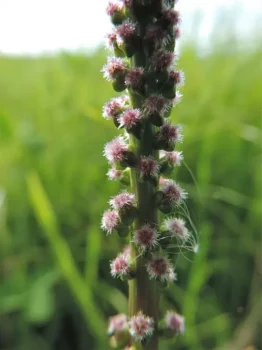
Slender Arrowgrass: A Hidden Gem for Wetland Gardens
If you’re looking to create a thriving wetland garden or restore a natural water feature, meet your new best friend: slender arrowgrass (Triglochin concinna). This understated native perennial might not win any beauty contests, but it’s absolutely essential for anyone serious about wetland gardening in the western United States.
What is Slender Arrowgrass?
Slender arrowgrass is a native perennial grass-like plant that belongs to the arrow-grass family (Juncaginaceae). Don’t let the grass in its name fool you – it’s not actually a true grass, but rather a specialized wetland plant that has evolved to thrive in consistently wet conditions. This hardy perennial forms clumps of narrow, linear leaves that emerge directly from the ground, creating a subtle but important presence in wetland ecosystems.
Where Does It Naturally Grow?
This native beauty calls the western United States home, naturally occurring in California, New Mexico, Oregon, and Washington. As an obligate wetland species, it almost always grows in wetlands throughout both the Arid West and Western Mountains, Valleys, and Coast regions.
- Species observed
- No observations
Why Plant Slender Arrowgrass?
While slender arrowgrass won’t give you the flashy blooms of a wildflower meadow, it offers something far more valuable for the right garden situation:
- Authentic wetland restoration: If you’re restoring a natural wetland area or creating habitat, this plant is essential for ecological authenticity
- Low maintenance: Once established in the right conditions, it requires minimal care
- Native status: Supporting local ecosystems by choosing plants that naturally belong in your region
- Wetland functionality: Helps with water filtration and soil stabilization in wet areas
Perfect Garden Settings
Slender arrowgrass isn’t for every garden, but it’s perfect for these specialized situations:
- Wetland restoration projects
- Rain gardens and bioswales
- Pond and stream margins
- Bog gardens
- Native plant gardens with wet areas
- Naturalistic water features
Growing Conditions and Care
The key to success with slender arrowgrass is understanding its one non-negotiable requirement: water, water, water! This obligate wetland plant needs consistently moist to wet soil conditions year-round.
Soil: Thrives in wet, poorly drained soils. Can handle both alkaline and neutral pH levels.
Light: Prefers full sun but tolerates partial shade, especially in hotter climates.
Water: Requires constant moisture – this isn’t a plant that forgives drought!
Hardiness: Suitable for USDA zones 6-9, matching its native range.
Planting and Establishment Tips
Spring is your best bet for planting slender arrowgrass. Here’s how to set it up for success:
- Choose a naturally wet location or create one with consistent irrigation
- Plant in groups for a more natural appearance and better establishment
- Ensure the planting site stays consistently moist during establishment
- Be patient – like many native wetland plants, it may take time to establish
- Minimal fertilization needed; wetland plants are adapted to nutrient-poor conditions
Is This Plant Right for Your Garden?
Slender arrowgrass is definitely a specialized plant for specialized situations. Consider it if you have a wet area that needs native plants, are working on wetland restoration, or want to create authentic habitat for local wildlife. However, skip it if you’re looking for ornamental appeal or don’t have consistently wet conditions to offer.
This quiet achiever might not be the star of your garden show, but for the right wetland garden situation, slender arrowgrass is an invaluable native choice that supports local ecosystems while requiring minimal maintenance once established in its preferred soggy conditions.