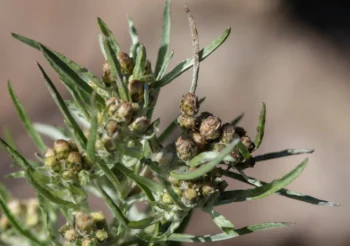
Slender Cudweed: A Humble Native Wildflower for Moist Gardens
Meet slender cudweed (Gnaphalium exilifolium), a modest little annual that might not win any beauty contests but certainly earns its keep in the native plant world. This unassuming member of the sunflower family has been quietly doing its thing across much of western North America, and it just might be the perfect addition to your naturalized garden areas.
What Exactly Is Slender Cudweed?
Slender cudweed is an annual forb – basically a soft-stemmed herbaceous plant that completes its entire life cycle in one growing season. You might also see it listed under its botanical synonyms Gnaphalium grayi or sometimes misidentified as Gnaphalium uliginosum. This little plant belongs to that wonderful category of natives that do their own thing without much fuss from gardeners.
Where Does It Call Home?
This adaptable annual is native throughout much of the western United States, naturally occurring in Alaska, Arizona, Colorado, Kansas, New Mexico, South Dakota, Utah, and Wyoming. Interestingly, while it’s native to the lower 48 states, it’s actually considered introduced in Alaska, where it has naturalized and reproduces on its own.
- Species observed
- No observations
What Does It Look Like?
Don’t expect flashy blooms with slender cudweed – this plant is all about subtle charm. It produces small, woolly, grayish-white foliage and tiny inconspicuous flower heads that cluster together. The entire plant has a soft, fuzzy appearance thanks to fine hairs that give it that characteristic cudweed look.
Growing Conditions and Care
One of slender cudweed’s best qualities is its flexibility when it comes to moisture. This plant has a fascinating relationship with water:
- In the Arid West and Western Mountains regions, it’s considered a Facultative Wetland plant, meaning it usually prefers wet conditions but can handle drier spots
- In the Great Plains, it’s simply Facultative, happily growing in both wet and dry locations
- It thrives in USDA hardiness zones 3-9
- Prefers full sun to partial shade
- Tolerates various soil types but appreciates consistent moisture
Why Grow Slender Cudweed?
While it won’t be the star of your garden show, slender cudweed offers several benefits:
- Native credentials: It’s a true native across most of its range, supporting local ecosystems
- Low maintenance: As an annual that self-seeds, it pretty much takes care of itself
- Pollinator support: Small pollinators like flies and tiny bees appreciate the nectar from its modest flowers
- Naturalizing ability: Perfect for wild gardens, prairie restorations, and naturalized areas
- Moisture flexibility: Adapts well to varying water conditions
Best Uses in the Garden
Slender cudweed isn’t destined for your formal flower borders, but it shines in:
- Wildflower meadows and prairie gardens
- Naturalized areas where you want low-key native plants
- Rain gardens or areas with variable moisture
- Wildlife habitat gardens focused on supporting local ecosystems
- Areas where you want plants that self-seed and return each year
Planting and Care Tips
The beauty of slender cudweed lies in its simplicity:
- Scatter seeds in fall or early spring in prepared soil
- Keep soil consistently moist during germination
- Once established, it’s quite drought-tolerant but prefers regular moisture
- Allow plants to go to seed if you want them to return next year
- No fertilization needed – it actually prefers lean soils
- Minimal pest or disease issues
Conservation Status
Slender cudweed has a global conservation status of S3S4Q, which indicates some uncertainty about its exact conservation needs. While it’s not considered rare, this highlights the importance of supporting native plant populations through responsible gardening practices.
The Bottom Line
Slender cudweed might not be the most glamorous native plant you’ll ever grow, but it’s exactly the kind of steady, reliable species that forms the backbone of healthy ecosystems. If you’re creating naturalized areas, supporting local wildlife, or simply want a low-maintenance native annual that knows how to take care of itself, slender cudweed could be your new garden buddy. Just remember – sometimes the most valuable plants are the ones that work quietly behind the scenes, and this humble cudweed is definitely one of those unsung heroes of the native plant world.