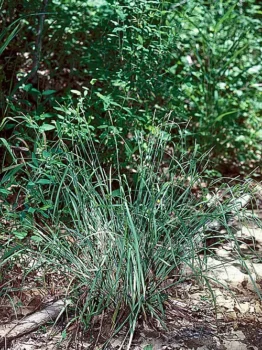
Slender Looseflower Sedge: A Delicate Native Beauty for Woodland Gardens
If you’re looking for a graceful, low-maintenance native plant that adds subtle texture to shaded areas, slender looseflower sedge (Carex gracilescens) might be exactly what your garden needs. This charming perennial sedge brings an understated elegance to woodland settings while supporting local ecosystems.
What Is Slender Looseflower Sedge?
Slender looseflower sedge is a native North American perennial that belongs to the sedge family (Cyperaceae). As its common name suggests, this plant has a delicate, fine-textured appearance with narrow leaves and loose, airy flower clusters that seem to float above the foliage. Don’t let the word sedge fool you into thinking it’s just another boring grass-like plant – this species has real character and charm.
Where Does It Grow Naturally?
This native beauty has an impressive natural range across eastern and central North America. You’ll find slender looseflower sedge growing wild from Canada down to Florida and from the Atlantic coast west to states like Minnesota, Arkansas, and Missouri. It naturally occurs in Alabama, Arkansas, Ontario, Connecticut, Delaware, District of Columbia, Florida, Georgia, Illinois, Indiana, Iowa, Kentucky, Louisiana, Maryland, Massachusetts, Michigan, Minnesota, Mississippi, Missouri, New Hampshire, New Jersey, New York, North Carolina, Ohio, Pennsylvania, Rhode Island, South Carolina, Tennessee, Vermont, Virginia, West Virginia, and Wisconsin.
- Species observed
- No observations
A Note About Rarity
Before we dive into growing tips, there’s something important to know: slender looseflower sedge has a rarity status of S2 in Arkansas, meaning it’s considered imperiled in that state. If you’re interested in adding this plant to your garden, make sure to source it responsibly from reputable native plant nurseries rather than collecting from wild populations. This helps preserve wild populations while still allowing you to enjoy this lovely species in your landscape.
Why Grow Slender Looseflower Sedge?
There are several compelling reasons to consider this native sedge for your garden:
- Native plant benefits: As a true native, it supports local wildlife and requires less water and maintenance than non-native alternatives
- Aesthetic appeal: The fine, graceful texture adds movement and lightness to shaded areas
- Low maintenance: Once established, it’s quite self-sufficient
- Versatile use: Perfect for naturalizing areas, woodland gardens, or as groundcover in challenging spots
- Wildlife habitat: Provides shelter and nesting material for small wildlife
Ideal Growing Conditions
Slender looseflower sedge thrives in conditions that mimic its natural woodland habitat:
- Light: Partial to full shade (it actually prefers some shade)
- Soil: Moist, well-drained soils with acidic to neutral pH
- Moisture: Consistent moisture but not waterlogged conditions
- Hardiness: USDA zones 3-8, making it suitable for most temperate regions
Perfect Garden Roles
This versatile sedge works beautifully in several landscape settings:
- Woodland gardens: Natural companion to native wildflowers and ferns
- Native plant gardens: Adds texture and movement among showier native perennials
- Naturalized areas: Excellent for areas where you want a more wild, natural look
- Shade groundcover: Gentle spreader that won’t become aggressive
Planting and Care Tips
The good news is that slender looseflower sedge is refreshingly easy to care for:
- Planting time: Spring or fall for best establishment
- Spacing: Plant 12-18 inches apart for groundcover effect
- Watering: Regular water the first year, then drought tolerant once established
- Maintenance: Cut back to 2-3 inches in late winter before new growth emerges
- Division: Divide clumps every 3-4 years in spring if desired
- Fertilizing: Generally unnecessary; too much fertilizer can make it floppy
Is This Sedge Right for Your Garden?
Slender looseflower sedge is an excellent choice if you have shaded areas that need a low-maintenance, native groundcover with subtle beauty. It’s particularly valuable for gardeners interested in supporting native ecosystems while creating naturalistic landscapes. However, if you’re looking for bold, showy flowers or a fast-spreading groundcover, you might want to consider other options.
Remember to source your plants responsibly, especially given its rarity status in some areas. When grown thoughtfully, slender looseflower sedge can be a wonderful addition to sustainable, wildlife-friendly gardens that celebrate our native plant heritage.