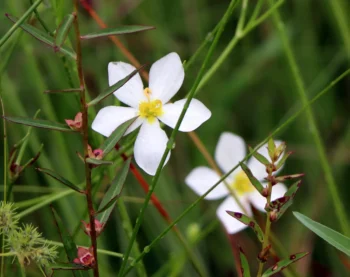
Slender Rose Gentian: A Delicate Native Beauty for Wet Gardens
If you’re looking for a native plant that adds subtle elegance to your garden’s wet spots, meet the slender rose gentian (Sabatia campanulata). This graceful perennial might not be the showiest plant in your garden, but it brings a quiet charm that’s worth celebrating – especially if you’re passionate about supporting native ecosystems.
What Makes Slender Rose Gentian Special?
Slender rose gentian is a true native of the eastern United States, naturally occurring across 21 states from Massachusetts down to Florida and west to Texas. As a member of the gentian family, it produces delicate pink flowers with five petals that bloom in late summer when many other wildflowers are starting to fade. The slender stems and small blooms create an airy, almost ethereal presence in the garden.
This perennial forb (a fancy way of saying it’s a non-woody flowering plant) grows as a graceful accent rather than a bold statement piece. Its delicate nature makes it perfect for gardeners who appreciate understated beauty and want to support native pollinators.
- Species observed
- No observations
A Conservation Note: Rarity Matters
Before you rush out to plant slender rose gentian, there’s something important to know: this species is considered rare in some areas. In Arkansas, it has a rarity status of S1 (critically imperiled), and in New Jersey, it’s listed as S3 (vulnerable) and appears on the Highlands List. This means if you choose to grow this native beauty, please source your plants or seeds from reputable native plant nurseries that use responsibly collected material – never dig plants from the wild.
Where Does Slender Rose Gentian Thrive?
This plant has a clear preference for life on the wetter side. Classified as Facultative Wetland across all regions where it grows, slender rose gentian usually occurs in wetlands but can occasionally pop up in drier spots. Think of it as nature’s way of saying, I love having my feet wet, but I’m adaptable.
The ideal growing conditions include:
- Moist to wet soils that stay consistently damp
- Full sun to partial shade
- Areas that can handle seasonal flooding
- USDA hardiness zones 5-9
Perfect Garden Situations
Slender rose gentian isn’t meant for your formal flower border, but it shines in specific garden settings:
- Rain gardens: Perfect for managing stormwater runoff while adding native beauty
- Wetland restoration areas: Helps recreate natural ecosystems
- Naturalized meadows: Adds delicate texture among bolder wildflowers
- Native plant collections: A must-have for serious native plant enthusiasts
- Pond margins: Creates soft transitions from water to garden
Pollinator and Wildlife Benefits
While it might look delicate, slender rose gentian pulls its weight in supporting local ecosystems. The late-summer blooms provide nectar for butterflies, native bees, and other pollinators when many other flowers have finished for the season. This timing makes it particularly valuable in a native garden, extending the bloom period when pollinators need all the help they can get.
Growing and Care Tips
The good news about slender rose gentian is that once established, it’s fairly low-maintenance – assuming you can provide the moisture it craves.
Planting: Choose a location with consistently moist soil and good sun exposure. Spring planting works well, giving the roots time to establish before summer.
Watering: Keep the soil consistently moist, especially during dry spells. This isn’t a plant that forgives drought.
Maintenance: Minimal care required once established. You can let it self-seed naturally if conditions are right.
Propagation: Seeds can be collected from mature plants, though germination may be variable.
Should You Plant Slender Rose Gentian?
If you have the right growing conditions – particularly reliable moisture – and access to responsibly sourced plants, slender rose gentian makes a wonderful addition to a native garden. It’s especially appealing if you:
- Want to support native pollinators with late-season blooms
- Have wet areas in your landscape that need native plants
- Appreciate subtle, delicate garden beauty
- Are committed to conservation-minded gardening
Just remember that this isn’t a plant for every garden or every gardener. It needs consistent moisture and won’t thrive in typical garden beds. But in the right spot, with responsibly sourced material, slender rose gentian offers a chance to grow a piece of native habitat while supporting the pollinators that make our ecosystems function.
Sometimes the most rewarding garden plants are the ones that ask us to meet them on their own terms – and slender rose gentian is definitely one of those special natives worth the effort.