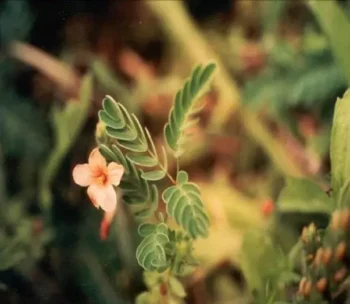
Slender Rushpea: A Critically Endangered Texas Native Worth Protecting
Meet the slender rushpea (Hoffmannseggia tenella), one of Texas’s most imperiled native plants. This little-known perennial herb holds the unfortunate distinction of being critically endangered, making it a species that deserves our attention—not for our gardens, but for conservation efforts.
What Makes Slender Rushpea Special?
The slender rushpea is a native perennial forb, which simply means it’s a non-woody plant that comes back year after year. As a member of the legume family, it likely produces small, characteristic pod-like fruits, though detailed descriptions of its appearance are scarce due to its extreme rarity.
Where Does It Call Home?
This Texas native has an extremely limited range within the Lone Star State. With a Global Conservation Status of S1, meaning Critically Imperiled, there are typically only five or fewer known occurrences of this species, with very few remaining individuals—fewer than 1,000 plants total.
- Species observed
- No observations
Should You Plant Slender Rushpea?
The short answer: Please don’t. Here’s why this situation is different from your typical native plant recommendation:
- Critically endangered status: With so few plants remaining in the wild, any seeds or plants should go toward conservation efforts, not home gardens
- Unknown cultivation requirements: Because it’s so rare, we simply don’t know how to successfully grow it outside its natural habitat
- Conservation priority: Every individual plant is precious for species survival
- Likely unavailable: You won’t find this plant at your local nursery—and that’s a good thing
What Can You Do Instead?
While you can’t (and shouldn’t) grow slender rushpea in your garden, you can still support Texas native plant conservation:
- Choose other native legumes: Consider planting more common Texas natives like wild lupine or partridge pea
- Support conservation efforts: Donate to organizations working to protect rare Texas plants
- Spread awareness: Share information about endangered plants with fellow gardeners
- Create habitat: Plant native Texas species to support the broader ecosystem
The Bigger Picture
The slender rushpea serves as a reminder that not every native plant is suited for cultivation. Some species are so rare that their very existence hangs by a thread. By understanding and respecting these limitations, we become better stewards of our native plant heritage.
Instead of trying to grow critically endangered species, we can focus our gardening efforts on more common natives that provide similar ecological benefits without putting rare species at risk. This approach allows us to create beautiful, wildlife-friendly gardens while supporting conservation efforts for our most vulnerable plant species.
The slender rushpea may not grace our gardens, but knowing about its plight helps us appreciate the incredible diversity—and fragility—of Texas’s native plant communities.