Slender Snakecotton: A Plant to Avoid in Your Garden
If you’ve ever wondered about that weedy-looking plant with fuzzy white flower spikes popping up in disturbed areas, you might be looking at slender snakecotton (Froelichia gracilis). While this annual forb might seem harmless enough, there are some important things every gardener should know about this species before considering it for their landscape.
What Is Slender Snakecotton?
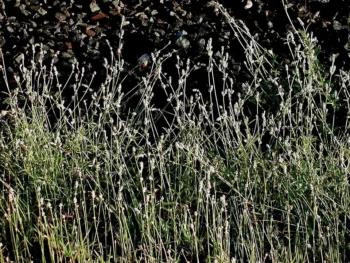
Slender snakecotton is an annual herbaceous plant that belongs to the amaranth family. As a forb, it lacks woody tissue and produces small, inconspicuous white to greenish flowers arranged in dense, woolly spikes that give the plant its distinctive cotton-like appearance. You might also see it referred to by its botanical synonyms Froelichia braunii or Oplotheca gracilis in older gardening references.
Native Status and Geographic Distribution
Here’s where things get interesting – and concerning. Slender snakecotton is native to the Great Plains and southwestern regions of the lower 48 United States, but it has spread far beyond its original home. Today, you can find it growing in states from coast to coast, including Alabama, Arizona, Arkansas, California, Colorado, Connecticut, Delaware, Florida, Georgia, Illinois, Indiana, Iowa, Kansas, Kentucky, Louisiana, Maryland, Massachusetts, Michigan, Mississippi, Missouri, Nebraska, New Hampshire, New Jersey, New Mexico, New York, North Carolina, Ohio, Oklahoma, Pennsylvania, South Carolina, South Dakota, Tennessee, Texas, Virginia, West Virginia, Wisconsin, and Wyoming. It’s even established itself in Ontario, Canada, where it’s considered non-native.
- Species observed
- No observations
Why You Should Think Twice About Planting It
Before you consider adding slender snakecotton to your garden, there’s a crucial fact you need to know: this plant is listed as invasive and prohibited in Connecticut. This designation means it has demonstrated the ability to spread aggressively and potentially harm local ecosystems.
Even in areas where it’s not officially listed as invasive, slender snakecotton tends to behave like a weed rather than a desirable garden plant. It readily colonizes disturbed soils, roadsides, and fields, often outcompeting more desirable native species.
Limited Garden Value
From an aesthetic standpoint, slender snakecotton doesn’t offer much for the home gardener. Its flowers are small and unremarkable, and the overall plant appearance is generally considered weedy. Unlike many native wildflowers that provide stunning seasonal displays, this species is more likely to detract from your garden’s appearance than enhance it.
The plant also offers minimal benefits to pollinators, as its flowers are primarily wind-pollinated rather than designed to attract bees, butterflies, or other beneficial insects.
Growing Conditions (If Found Growing Wild)
While we don’t recommend planting slender snakecotton, understanding its growing preferences can help you identify and manage it if it appears uninvited in your landscape. This hardy annual thrives in:
- Disturbed or poor soils
- Full sun locations
- Dry conditions (it’s quite drought tolerant)
- USDA hardiness zones 4-10
Better Native Alternatives
Instead of slender snakecotton, consider these native alternatives that offer similar resilience but with greater garden value:
- Native grasses like little bluestem or buffalo grass
- Regional wildflowers such as black-eyed Susan or purple coneflower
- Native amaranth species that are appropriate for your specific region
The Bottom Line
While slender snakecotton might be native to parts of North America, its invasive tendencies and limited ornamental value make it a poor choice for intentional gardening. If you discover it growing on your property, consider removing it and replacing it with locally native species that will better support your local ecosystem while providing more aesthetic appeal.
Remember, the best native plant gardens feature species that are not only indigenous to North America but specifically adapted to your local region. Your local native plant society or extension office can help you identify the perfect alternatives for your specific area.