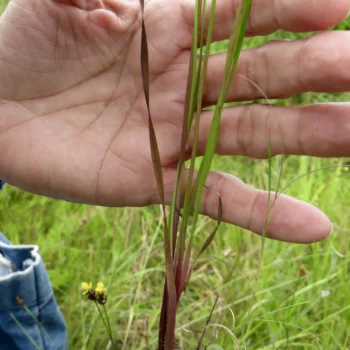
Slender Yelloweyed Grass: A Delicate Native for Your Water Garden
If you’ve been dreaming of adding a touch of wild elegance to your bog garden or pond margins, let me introduce you to slender yelloweyed grass (Xyris torta). This charming little native might not be the showiest plant in your garden, but it brings a subtle beauty that’s perfectly at home in wet, naturalistic landscapes.
What Exactly Is Slender Yelloweyed Grass?
Don’t let the name fool you – slender yelloweyed grass isn’t actually a true grass at all! This perennial forb belongs to the yelloweyed grass family and grows as a delicate, grass-like plant with narrow leaves and cheerful yellow flowers. The botanical name Xyris torta has several synonyms you might encounter, including Xyris bulbosa, Xyris flexuosa, and Xyris indica.
As a forb, this plant lacks significant woody tissue and maintains its perennating buds at or below ground level, allowing it to return reliably each growing season in the right conditions.
Where Does It Call Home?
This native beauty has quite an impressive range across the lower 48 states. You’ll find slender yelloweyed grass naturally growing in Alabama, Arkansas, Connecticut, Delaware, District of Columbia, Georgia, Illinois, Indiana, Iowa, Kentucky, Louisiana, Maryland, Massachusetts, Michigan, Minnesota, Mississippi, Missouri, Nebraska, New Hampshire, New Jersey, New York, North Carolina, Ohio, Oklahoma, Pennsylvania, Rhode Island, South Carolina, Tennessee, Texas, Virginia, West Virginia, and Wisconsin.
- Species observed
- No observations
A Plant That Lives for Water
Here’s where slender yelloweyed grass gets really interesting – it’s what botanists call an obligate wetland plant. This means it almost always occurs in wetlands across all its native regions, from the Atlantic and Gulf Coastal Plain to the Great Plains and Midwest. If you’re looking for a drought-tolerant perennial, this isn’t your plant. But if you have a consistently wet spot that other plants struggle with, you’ve found your match!
The Beauty in the Details
Slender yelloweyed grass offers a subtle charm that grows on you. The plant produces narrow, grass-like leaves and sends up delicate flower spikes topped with small, bright yellow blooms about 1/4 inch across. These cheerful three-petaled flowers have the delightful habit of opening in the morning sunlight, adding daily drama to your water garden.
While it won’t provide the bold statement of a cardinal flower or the architectural presence of a cattail, its fine texture and gentle presence create a lovely naturalistic feel in wet garden areas.
Where and How to Grow Slender Yelloweyed Grass
This specialized beauty thrives in USDA hardiness zones 4-9, making it suitable for much of the continental United States. Here’s what you need to know about growing it successfully:
- Light requirements: Full sun for best flowering
- Soil needs: Consistently wet to saturated, acidic soils
- Water requirements: Can handle standing water up to several inches deep
- Best planting time: Spring, when soil temperatures warm
- Maintenance: Minimal once established in proper conditions
Perfect Garden Situations
Slender yelloweyed grass shines in specialized garden settings:
- Bog gardens and naturalistic wetland areas
- Pond margins and water garden edges
- Rain gardens (in consistently wet sections)
- Wetland restoration projects
- Native plant gardens with water features
Wildlife and Pollinator Value
While slender yelloweyed grass won’t be the star of your pollinator garden, it does provide modest benefits to small native bees and flies that visit its tiny flowers. Its specialized wetland habitat also supports the broader ecosystem of bog and marsh environments.
Should You Plant Slender Yelloweyed Grass?
This native beauty is perfect for gardeners who:
- Have consistently wet or boggy areas to plant
- Are creating naturalistic water gardens
- Want to support native plant diversity
- Appreciate subtle, delicate garden textures
- Are working on wetland restoration projects
However, it’s probably not the right choice if you’re looking for showy flowers, drought tolerance, or a plant for typical garden beds.
Growing Tips for Success
The key to success with slender yelloweyed grass is understanding its very specific needs. Plant it in spring in wet, acidic soil where it can keep its feet consistently damp. Once established in the right conditions, it’s remarkably low-maintenance and will return reliably each year.
Remember, this is a specialized plant for specialized conditions – but in the right spot, it adds an authentic touch of native wetland beauty that’s hard to replicate with non-native alternatives.