Slenderleaf Clammyweed: A Rare Native Treasure for Conservation-Minded Gardeners
If you’re passionate about native plants and conservation, you might want to learn about slenderleaf clammyweed (Polanisia tenuifolia), a delicate annual wildflower that’s becoming increasingly rare across its native range. This unassuming little plant packs a lot of ecological value into its modest frame, though growing it comes with some important considerations.
What is Slenderleaf Clammyweed?
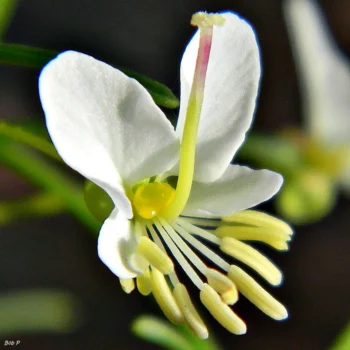
Slenderleaf clammyweed is a native annual forb that belongs to the cleome family. As its name suggests, this plant has slender, narrow leaves and produces small, delicate flowers with distinctive long stamens that give it a wispy, ethereal appearance. The clammyweed part of its name comes from the slightly sticky feel of its foliage.
This species goes by several historical botanical names, including Aldenella tenuifolia and Cleome tenuifolia, which you might encounter in older botanical references.
Where Does Slenderleaf Clammyweed Grow Naturally?
Slenderleaf clammyweed is native to the southeastern United States, specifically found in Alabama, Florida, Georgia, and Mississippi. However, this plant has become quite rare throughout its range, earning a critically imperiled status (S1) in Alabama.
- Species observed
- No observations
Important Conservation Note
Before we dive into growing this plant, there’s something crucial every gardener should know: slenderleaf clammyweed is rare and getting rarer. Its S1 status in Alabama means it’s at high risk of disappearing from that state entirely. If you’re interested in growing this species, it’s absolutely essential to source seeds or plants only from reputable native plant suppliers who can guarantee the material was responsibly collected and propagated.
Never collect seeds or plants from wild populations – this could further threaten already vulnerable populations.
Why Grow Slenderleaf Clammyweed?
Despite its rarity challenges, there are compelling reasons conservation-minded gardeners might want to include this species:
- Conservation value: Growing rare natives helps preserve genetic diversity and can support conservation efforts
- Pollinator support: The small flowers attract native bees and other beneficial insects
- Unique beauty: The delicate white to pinkish flowers with their prominent stamens create an airy, graceful effect
- Authentic regional character: It’s a true piece of southeastern native plant heritage
Growing Conditions and Care
Slenderleaf clammyweed thrives in conditions that mirror its natural habitat:
- Sunlight: Full sun exposure
- Soil: Well-draining sandy soils are preferred
- Water: Moderate moisture; avoid waterlogged conditions
- Hardiness: Suitable for USDA zones 8-9, matching its southeastern native range
Where to Use It in Your Landscape
This delicate annual works best in:
- Native plant conservation gardens
- Wildflower meadows or naturalized areas
- Sandy or well-draining garden beds
- Areas dedicated to rare or unusual native species
Because of its small stature and delicate appearance, it’s best used in groups or drifts rather than as a single specimen.
Planting and Care Tips
Since slenderleaf clammyweed is an annual, successful growing requires attention to its life cycle:
- Timing: Sow seeds in spring after the last frost
- Soil preparation: Ensure excellent drainage; amend heavy soils with sand if needed
- Seeding: Scatter seeds lightly and barely cover, as they need some light to germinate
- Maintenance: Once established, it requires minimal care beyond occasional watering during dry spells
- Succession: Allow some plants to go to seed to ensure natural reseeding for next year
The Bottom Line
Slenderleaf clammyweed represents both an opportunity and a responsibility for native plant gardeners. While it offers unique beauty and important pollinator support, its rarity means we must approach cultivation thoughtfully and ethically. If you can source it responsibly, this charming native annual can be a meaningful addition to conservation-focused gardens, helping preserve a piece of our southeastern botanical heritage while supporting local ecosystems.
Remember: the best way to help rare plants like slenderleaf clammyweed is to grow them responsibly while supporting habitat conservation efforts in their native range.