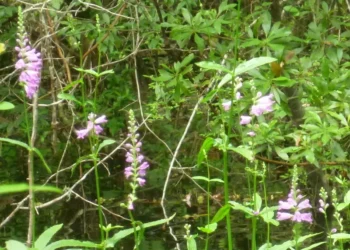
Slenderleaf False Dragonhead: A Rare Wetland Gem Worth Protecting
Meet the slenderleaf false dragonhead (Physostegia leptophylla), a delicate perennial that’s as elusive as it is beautiful. This rare native wildflower might not be on every gardener’s wishlist, but for those passionate about wetland restoration and conservation gardening, it’s a true treasure worth understanding and protecting.
What Makes This Plant Special?
The slenderleaf false dragonhead is a member of the mint family, though it’s much more refined than its common garden cousins. As a native forb (that’s botanist-speak for a non-woody flowering plant), it brings authenticity to southeastern wetland landscapes. Unlike its more robust relatives, this species has earned its slenderleaf name through its delicate, narrow foliage that sets it apart from other false dragonheads.
Where Does It Call Home?
This southeastern native has a relatively small natural range, calling parts of Florida, Georgia, North Carolina, South Carolina, and Virginia home. However, don’t expect to stumble upon it during your next nature walk – it’s become increasingly rare, with Alabama listing it as historically known (SH status), meaning it may no longer exist in wild populations there.
- Species observed
- No observations
The Wetland Connection
Here’s where things get interesting (and a bit demanding): slenderleaf false dragonhead is what botanists call an obligate wetland plant. This means it almost always needs wet feet to survive – we’re talking consistently moist to saturated soils, not just the occasional sprinkler session. If you’re not dealing with naturally boggy conditions, a rain garden, or a wetland restoration project, this probably isn’t your plant.
Should You Grow It?
The short answer: probably only if you’re serious about wetland conservation. Given its rarity status, this isn’t a plant for casual experimentation. However, if you’re working on:
- Wetland restoration projects
- Specialized bog or rain gardens
- Native plant conservation efforts
- Educational or research gardens focused on rare species
Then slenderleaf false dragonhead could be a meaningful addition – but only with responsibly sourced material from reputable native plant nurseries or conservation organizations.
Growing Conditions and Care
If you’re committed to giving this rare beauty a home, here’s what it needs:
- Moisture: Consistent wetland conditions – think saturated soils
- Sunlight: Full sun to partial shade
- Soil: Wetland soils, typically acidic and organic-rich
- Climate: USDA hardiness zones 7-9
- Space: As a perennial forb, it will return each year if conditions are right
Wildlife and Pollinator Benefits
Like other members of the false dragonhead family, this species likely provides nectar for native pollinators, including specialized wetland bees and butterflies. Its flowers, typical of the mint family, are perfectly designed for pollinator access, making it a valuable component of wetland ecosystems.
The Conservation Angle
Here’s the real talk: slenderleaf false dragonhead needs our help more than we need it in our gardens. Its rarity makes it a plant best left to conservation professionals and serious native plant enthusiasts who can provide appropriate growing conditions and contribute to its preservation.
If you’re drawn to the idea of growing a false dragonhead but don’t have wetland conditions, consider the more common obedient plant (Physostegia virginiana) instead – it’s showier, easier to grow, and won’t put pressure on rare plant populations.
The Bottom Line
Slenderleaf false dragonhead is a plant that asks us to think beyond our own gardens and consider our role in plant conservation. While it may not be the right choice for most home landscapes, understanding and appreciating rare natives like this one helps us become better stewards of our natural heritage. Sometimes the best way to love a plant is to protect its wild spaces and support conservation efforts rather than trying to grow it ourselves.