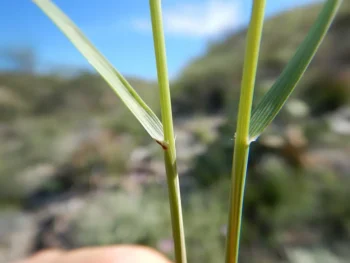
Slim Tridens: A Delicate Native Grass for Low-Maintenance Landscapes
If you’re looking for a graceful native grass that won’t demand constant attention, slim tridens (Tridens muticus) might just be your new garden companion. This understated perennial grass brings subtle beauty to landscapes while supporting local ecosystems with minimal fuss from gardeners.
What Makes Slim Tridens Special
Slim tridens lives up to its name with delicate, narrow leaves and airy flower panicles that dance in the breeze. This native graminoid creates a fine-textured appearance that contrasts beautifully with broader-leaved plants or more robust grasses. As a perennial, it returns year after year, gradually forming attractive clumps that add consistent structure to your landscape.
This charming grass is native to the lower 48 states, making it a fantastic choice for gardeners who want to support local wildlife and create authentic regional landscapes. Unlike non-native ornamental grasses that may struggle with local conditions, slim tridens has evolved alongside native insects, birds, and other wildlife.
Where Slim Tridens Grows Wild
You’ll find slim tridens across a impressive range of states including Arizona, Arkansas, California, Colorado, Kansas, Louisiana, Missouri, Nevada, New Mexico, Oklahoma, Texas, and Utah. This wide distribution speaks to the plant’s remarkable adaptability to different climates and growing conditions.
- Species observed
- No observations
Perfect Gardens for Slim Tridens
Slim tridens shines in several landscape settings:
- Native plant gardens where authentic regional character matters
- Xeriscapes and drought-tolerant landscapes
- Prairie restorations and naturalized areas
- Mixed grass plantings where textural contrast is desired
- Low-maintenance landscapes for busy gardeners
Its fine texture makes it an excellent accent plant, providing visual interest without overwhelming other garden elements. Consider using it to soften the edges of more dramatic plants or to create subtle transitions between different garden areas.
Growing Conditions and Care
One of slim tridens’ best qualities is its easygoing nature. This adaptable grass thrives in USDA hardiness zones 6-10, making it suitable for a wide range of climates. It performs well in full sun to partial shade and tolerates various soil types.
The plant shows remarkable flexibility when it comes to moisture, functioning well in both drier upland sites and areas with more consistent moisture. Its wetland status varies by region – it can handle facultative wetland conditions in some areas while preferring upland sites in others. This adaptability makes it particularly valuable for gardeners dealing with variable moisture conditions.
Planting and Maintenance Tips
Getting slim tridens established is refreshingly straightforward:
- Plant in spring or fall when temperatures are moderate
- Choose a location with good drainage, though the plant tolerates various moisture levels
- Space plants appropriately to allow for natural clumping growth
- Water regularly during the first growing season to establish roots
- Once established, the plant becomes quite drought tolerant
Maintenance is minimal – simply cut back old growth in late winter or early spring before new growth emerges. The plant may self-seed, gradually naturalizing in suitable conditions, which many gardeners appreciate for creating authentic native plant communities.
Wildlife and Ecosystem Benefits
While slim tridens may not be a showy pollinator magnet, it provides important ecosystem services. The seeds feed various bird species, and the plant’s root system helps prevent soil erosion. As a native grass, it fits naturally into local food webs and provides habitat structure for beneficial insects and small wildlife.
Is Slim Tridens Right for Your Garden?
Slim tridens is an excellent choice for gardeners who appreciate subtle beauty and want plants that work with nature rather than against it. Its wide native range, adaptable growing requirements, and low-maintenance character make it particularly appealing for sustainable landscaping projects.
Consider slim tridens if you want to create authentic native plant communities, need a grass that handles variable moisture conditions, or simply appreciate plants that take care of themselves once established. While it won’t provide the dramatic impact of some ornamental grasses, its quiet elegance and ecological value make it a worthy addition to thoughtful landscape designs.