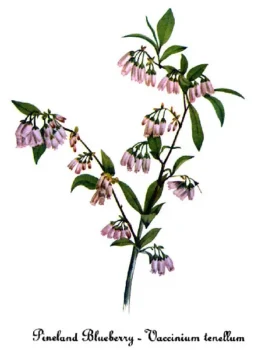
Small Black Blueberry: A Tiny Native Gem for Your Garden
If you’re looking for a low-maintenance native shrub that packs a punch in the wildlife department, meet the small black blueberry (Vaccinium tenellum). This unassuming little shrub might not win any height contests, but what it lacks in stature, it more than makes up for in charm and ecological value.
What Makes Small Black Blueberry Special?
The small black blueberry is a true southeastern native, calling the lower 48 states home with a particular fondness for the Southeast. You’ll find this delightful shrub growing naturally across Alabama, Florida, Georgia, Mississippi, North Carolina, South Carolina, and Virginia, where it has been supporting local ecosystems for thousands of years.
- Species observed
- No observations
As a perennial shrub, this plant typically stays under 5 feet tall, making it perfect for smaller gardens or as an understory planting. Don’t let its modest size fool you – this little powerhouse is all about delivering maximum impact with minimal fuss.
A Year-Round Beauty
Small black blueberry treats gardeners to a delightful seasonal show. In spring, the shrub produces clusters of small, bell-shaped flowers that range from white to pale pink. These charming blooms are like tiny lanterns hanging from the branches, creating a subtle but enchanting display.
Summer brings the namesake berries – small, dark blue to black fruits that are not only edible but absolutely beloved by wildlife. Come fall, the real magic happens when the leaves transform into brilliant shades of red and orange, providing a stunning autumn finale.
Why Your Garden (and Local Wildlife) Will Love It
Here’s where small black blueberry really shines – it’s practically a wildlife magnet. The spring flowers are absolute bee magnets, attracting native bees, bumblebees, and even some butterflies. These pollinators are crucial for a healthy garden ecosystem, and this little shrub rolls out the red carpet for them.
The berries are equally popular with birds and small mammals, making your garden a bustling hub of activity during fruiting season. It’s like having your own miniature wildlife preserve right in your backyard.
Perfect Garden Companions
Small black blueberry is wonderfully versatile in the landscape. It’s ideal for:
- Native plant gardens where you want authentic regional character
- Woodland gardens as a charming understory element
- Naturalized landscapes where low maintenance is key
- Wildlife gardens focused on supporting local fauna
- Erosion control on slopes or challenging terrain
Growing Conditions That Make It Happy
One of the best things about small black blueberry is how easygoing it is once you understand its preferences. This shrub thrives in USDA hardiness zones 7-9, making it perfect for southeastern gardens.
Like most blueberries, it has a strong preference for acidic, well-draining soils – think sandy soils that don’t hold water. While it can handle both partial shade and full sun, it tends to be most content with some protection from the harshest afternoon sun.
Interestingly, its wetland status varies by region. In coastal areas, it’s fairly adaptable to different moisture levels, but in mountainous and piedmont regions, it strongly prefers drier, upland conditions. This drought tolerance once established makes it an excellent choice for water-wise gardening.
Planting and Care Tips
Getting your small black blueberry off to a good start is refreshingly straightforward:
- Plant in spring or fall when temperatures are mild
- Choose a location with acidic soil (pH 4.5-5.5 is ideal)
- Ensure good drainage – soggy roots are not this plant’s friend
- Add a layer of organic mulch around the base to retain moisture and suppress weeds
- Water regularly during the first growing season, then step back and let nature take over
Once established, small black blueberry is remarkably low-maintenance. It rarely needs pruning beyond removing any dead or damaged wood, and it’s generally pest and disease resistant.
Is Small Black Blueberry Right for Your Garden?
If you’re drawn to native plants that support local ecosystems, appreciate subtle beauty over flashy displays, and prefer low-maintenance gardening, small black blueberry could be your perfect match. It’s especially ideal for gardeners who want to create habitat for pollinators and wildlife without sacrificing visual appeal.
This charming little shrub proves that sometimes the best garden additions come in small packages. With its year-round interest, ecological benefits, and easygoing nature, small black blueberry deserves serious consideration for any southeastern garden focused on sustainability and natural beauty.