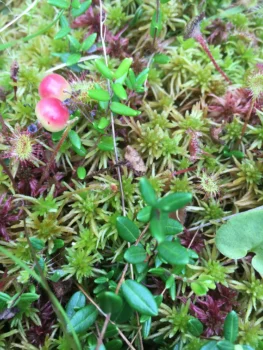
Small Cranberry: A Charming Native Groundcover for Wet Gardens
If you’re looking for a unique native plant that thrives in those challenging wet spots in your yard, meet the small cranberry (Vaccinium oxycoccos). This delightful little shrub might just be the perfect solution for your boggy areas, rain gardens, or any consistently moist location that needs some natural charm.
What is Small Cranberry?
Small cranberry is a low-growing perennial shrub that forms attractive mats across wet ground. Don’t let the name fool you – while it’s related to the commercial cranberries you see in stores, this native beauty is much more petite and delicate. This hardy plant produces lovely pink bell-shaped flowers in late spring and early summer, followed by small red berries that add seasonal interest to your landscape.
Where Does Small Cranberry Grow Naturally?
This remarkable plant has one of the most extensive native ranges you’ll find, naturally occurring across Alaska, Canada, Greenland, and much of the northern United States. In the lower 48, you can find small cranberry growing wild from coast to coast, including states like Maine, Michigan, Minnesota, Oregon, and Washington, among many others.
- Species observed
- No observations
It’s worth noting that in New Jersey, small cranberry has a special conservation status as Highlands Listed, S2, meaning it’s considered uncommon in that region. If you live in New Jersey and want to grow this plant, make sure to source it responsibly from reputable native plant nurseries.
Why Grow Small Cranberry in Your Garden?
Small cranberry shines in several key areas that make it an excellent choice for the right garden situation:
- Perfect for wet areas: As an obligate wetland plant, it thrives in those soggy spots where other plants struggle
- Low maintenance groundcover: Once established, it forms a beautiful natural carpet
- Four-season interest: Evergreen foliage, spring flowers, summer berries, and attractive winter form
- Native wildlife support: Provides food for birds and cover, though it’s not a primary food source
- Pollinator friendly: The delicate flowers attract bees and other small pollinators
Where Does Small Cranberry Fit in Your Landscape?
This versatile native works beautifully in several garden settings:
- Bog gardens: Perfect companion to other wetland natives
- Rain gardens: Helps manage stormwater while looking attractive
- Naturalistic landscapes: Creates authentic native plant communities
- Acidic soil gardens: Thrives alongside blueberries, azaleas, and other acid-loving plants
- Cool climate gardens: Especially well-suited to northern regions
Growing Conditions and Care
Small cranberry has some specific needs, but once you understand them, it’s quite easy to grow:
Soil Requirements
- Acidic soil with pH between 4.0-5.5
- Consistently moist to wet conditions – this plant doesn’t tolerate drought
- Rich in organic matter
Light and Climate
- Full sun to partial shade
- Hardy in USDA zones 2-6 – loves cool climates
- Requires good air circulation
Planting and Care Tips
Getting small cranberry established successfully requires attention to its specific needs:
- Site preparation: Ensure the planting area stays consistently moist and has acidic soil
- Planting time: Spring or early fall work best
- Spacing: Plant 12-18 inches apart for groundcover effect
- Mulching: Use acidic mulch like pine needles or shredded oak leaves to retain moisture
- Watering: Keep soil consistently moist – never let it dry out completely
- Fertilizing: Generally unnecessary if planted in appropriate conditions
Wildlife and Ecological Benefits
While small cranberry isn’t a major wildlife food source, it does provide some benefits to native fauna. Birds occasionally nibble on the berries, and the low-growing mat provides some cover for small creatures. The flowers offer nectar for bees and other pollinators during the blooming season.
Is Small Cranberry Right for Your Garden?
Small cranberry is an excellent choice if you have consistently wet, acidic soil and live in a cooler climate. It’s particularly valuable for gardeners looking to create authentic native plant communities or manage challenging wet areas in their landscape. However, if you have dry soil or live in a hot climate, this probably isn’t the plant for you – it simply won’t thrive in those conditions.
Remember, if you’re in New Jersey, source your plants responsibly due to its special conservation status in that state. Everywhere else within its native range, small cranberry makes a wonderful addition to the right garden setting, offering year-round beauty and supporting local ecosystems.