Small Floating Mannagrass: A Hidden Gem for Wetland Gardens
If you’ve been searching for an authentic native grass to complete your bog garden or pond edge, small floating mannagrass (Glyceria borealis) might just be the unassuming hero your wetland landscape needs. This perennial grass may not win any beauty contests, but it plays a crucial role in North America’s aquatic ecosystems and could be the perfect addition to your water-loving plant collection.
What is Small Floating Mannagrass?
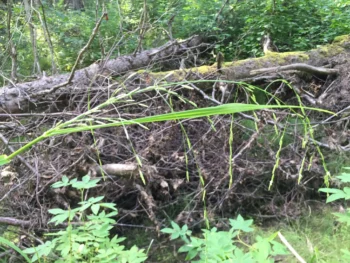
Small floating mannagrass is a native North American perennial grass that’s perfectly adapted to life in and around water. Also known by its scientific name Glyceria borealis (formerly called Panicularia borealis), this modest grass grows in bunches and can reach up to about 5 feet tall. Don’t expect flashy flowers – this plant keeps things simple with inconspicuous green blooms that appear in late spring.
Where Does It Grow Naturally?
This hardy grass has an impressive native range across North America. You’ll find it naturally occurring from Alaska and throughout Canada, extending south into the northern and mountainous regions of the United States. Its distribution spans from coast to coast, including states like California, Colorado, Maine, Minnesota, and many others in between.
- Species observed
- No observations
Important Conservation Note
Before you rush to add this grass to your garden, there’s something important to know: small floating mannagrass is considered endangered in New Jersey and has special conservation status in the Pine Barrens and Highlands regions. If you’re interested in growing this species, please ensure you source it responsibly from reputable native plant nurseries that propagate their own stock rather than wild-collecting.
Why Grow Small Floating Mannagrass?
While it may not be the showiest plant in your garden, small floating mannagrass offers several compelling reasons to consider it:
- True wetland specialist: As an obligate wetland plant, it thrives where many other plants struggle
- Low maintenance: Once established in the right conditions, it requires minimal care
- Ecosystem support: Provides habitat and structure in wetland environments
- Authentic native choice: Perfect for restoration projects and naturalistic designs
- Cold hardy: Tolerates temperatures down to -33°F, making it suitable for northern gardens
Where Does It Fit in Your Landscape?
Small floating mannagrass isn’t destined for your typical perennial border. This specialized grass shines in:
- Bog gardens and wetland areas
- Pond and stream margins
- Rain gardens with consistent moisture
- Wetland restoration projects
- Naturalistic water features
Growing Conditions: Water is Life
The key to success with small floating mannagrass is understanding its absolute need for moisture. Here’s what it requires:
- Moisture: High water needs – this plant must have consistently wet to saturated soil
- Soil: Adaptable to various soil textures, from coarse to fine
- pH: Tolerates a range from 5.0 to 8.5
- Sun exposure: Prefers full sun (shade intolerant)
- Hardiness: Thrives in USDA zones 2-7
- Drainage: High tolerance for waterlogged, anaerobic conditions
Planting and Care Tips
Getting small floating mannagrass established requires some specific approaches:
- Propagation: Best established through sprigs rather than seeds, though commercial availability is limited to specialty contractors
- Planting density: Space plants to achieve 3,500-4,800 plants per acre for restoration projects
- Timing: Spring planting works best, allowing the full growing season for establishment
- Fertilizer: Moderate fertility requirements – avoid over-fertilizing
- Maintenance: Minimal once established, with moderate regrowth after cutting
Setting Realistic Expectations
Let’s be honest – small floating mannagrass won’t be the star of your Instagram garden photos. This grass offers subtle, naturalistic beauty rather than bold visual impact. The foliage is medium-textured green, and the plant maintains an upright, bunching growth form. It’s the kind of plant that quietly does its job, creating authentic wetland habitat while requiring minimal intervention.
The Bottom Line
Small floating mannagrass is definitely a niche plant, but if you have the right conditions – namely, a consistently wet spot in your landscape – it could be exactly what you need. It’s perfect for gardeners focused on native plant restoration, wetland creation, or those lucky enough to have natural water features on their property.
Just remember to source it responsibly, respect its conservation status, and be prepared to provide the one thing it absolutely cannot live without: plenty of water. If you can meet its simple but non-negotiable requirements, you’ll have a hardy, authentic native grass that connects your garden to North America’s beautiful wetland heritage.