Small Indian Breadroot: A Rare Southwestern Native Worth Protecting
If you’re passionate about native plants and conservation, you may have heard whispers about the small Indian breadroot (Pediomelum pentaphyllum). This little-known southwestern native is a botanical treasure that deserves our attention—not just for its quiet beauty, but for its precarious position in the wild.
What Makes Small Indian Breadroot Special?
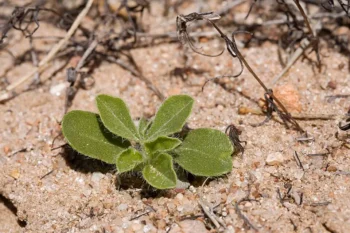
Small Indian breadroot is a perennial forb, meaning it’s an herbaceous plant that comes back year after year without developing woody stems. This member of the legume family produces delicate purple-blue flowers arranged in dense, cylindrical spikes that rise above palmately compound leaves—each leaf divided into five distinct leaflets, like fingers on a hand.
The plant may also be found in older botanical literature under several synonyms, including Psoralea pentaphylla and Psoralea trinervata, reflecting the ongoing work botanists do to better understand plant relationships.
Where Does It Call Home?
Small Indian breadroot is native to the southwestern United States, with documented populations in Arizona, New Mexico, and Texas. This limited range is part of what makes the species so vulnerable.
- Species observed
- No observations
A Conservation Concern
Here’s where things get serious: small Indian breadroot carries a Global Conservation Status of S1, meaning it’s critically imperiled. With typically five or fewer known occurrences and very few remaining individuals (fewer than 1,000), this plant is dancing on the edge of extinction. This rarity status should give any gardener pause.
If you’re considering growing this plant, please only use responsibly sourced material from reputable native plant nurseries or seed suppliers who work with conservation programs. Never collect from wild populations.
Growing Small Indian Breadroot: For the Committed Conservationist
Given its rarity, small Indian breadroot isn’t a casual garden addition—it’s a commitment to conservation. If you decide to grow it, here’s what you need to know:
Ideal Growing Conditions
- Sunlight: Full sun exposure
- Soil: Well-drained, sandy, or rocky soils
- Water: Drought tolerant once established; minimal supplemental watering needed
- Climate: USDA Hardiness Zones 7-10 (based on native range)
Planting and Care Tips
Small Indian breadroot develops a deep taproot, which makes it incredibly drought tolerant but also notoriously difficult to transplant. Your best bet is growing from seed, though germination can be challenging and may require scarification or other pre-treatments typical of legume seeds.
Once established, this plant asks for very little. In fact, too much water or rich soil can actually harm it—remember, it evolved in the challenging conditions of the Southwest.
Garden Role and Design Uses
This isn’t a showy border plant or a landscape focal point. Small Indian breadroot shines in:
- Native plant collections and botanical gardens
- Xerophytic (dry) gardens
- Habitat restoration projects
- Educational gardens focused on rare plants
Benefits to Wildlife
Like many legumes, small Indian breadroot likely attracts native bees and other pollinators, though specific wildlife relationships for this rare species are not well-documented. Its flowers follow the typical legume structure that many native bees have co-evolved with.
The Bottom Line
Small Indian breadroot represents both the beauty and fragility of our native flora. While it’s not a plant for every garden, it deserves our respect and protection. If you’re drawn to rare plants and committed to conservation, consider supporting organizations that work to protect this species in the wild rather than growing it yourself.
For most southwestern native plant enthusiasts, there are many other wonderful Pediomelum species and related legumes that can provide similar ecological benefits without the conservation concerns. Your local native plant society can help you discover these alternatives that will still support your local ecosystem while leaving the rarest plants for the experts.