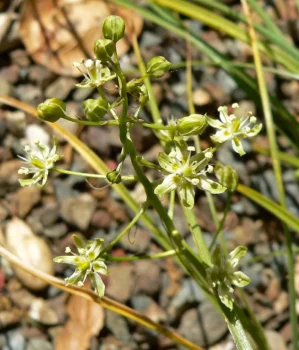
Smallflower Deathcamas: A Beautiful but Dangerous Native Wetland Plant
When it comes to native plants with ominous names, smallflower deathcamas (Zigadenus micranthus) certainly takes the cake. Don’t let the intimidating moniker scare you away from learning about this fascinating wetland perennial – though you’ll definitely want to think twice before adding it to your garden!
What is Smallflower Deathcamas?
Smallflower deathcamas is a native perennial forb that calls the Pacific Coast home. This slender herbaceous plant produces delicate clusters of small, creamy-white flowers that might look innocent enough, but appearances can be deceiving. The plant gets its dramatic common name for good reason – every part of this beauty contains potent alkaloids that are highly toxic to humans and animals alike.
You might also encounter this plant listed under its scientific synonyms Toxicoscordion micranthus or Toxicoscordion micranthum in some botanical references, reflecting recent taxonomic changes in the lily family.
Where Does It Grow?
This native gem is found naturally in California and Oregon, where it thrives in wetland environments. As an obligate wetland species, smallflower deathcamas almost always occurs in wet areas – think marshy meadows, stream edges, and seasonal pools.
- Species observed
- No observations
Should You Grow Smallflower Deathcamas?
Here’s where things get complicated. While smallflower deathcamas is undeniably beautiful and ecologically valuable, it’s not a plant for every garden – or even most gardens. Here’s what you need to consider:
The Case Against Growing It
- Extreme toxicity: This isn’t just don’t eat the berries toxic – this plant can be deadly if ingested
- Risk to children and pets: The innocent-looking flowers and bulbs pose serious safety hazards
- Specialized growing requirements: It needs consistently wet conditions that most gardens can’t provide
- Difficult cultivation: This plant is notoriously challenging to establish outside its natural habitat
When It Might Make Sense
- Wetland restoration projects: Essential for authentic native wetland ecosystems
- Specialized bog or water gardens: If you have the right conditions and no safety concerns
- Educational purposes: For botanical gardens or educational settings with proper safety measures
Growing Conditions and Care
If you’re committed to growing smallflower deathcamas despite the challenges, here’s what this picky plant demands:
Growing Requirements
- Moisture: Consistently wet to saturated soil – think bog-like conditions
- Light: Full sun to partial shade
- Soil: Wet, often clayey soils with poor drainage
- Climate: USDA hardiness zones 7-10
- Habitat: Seasonal wetlands, stream margins, wet meadows
Planting and Care Tips
- Plant bulbs in fall in consistently wet areas
- Ensure soil never dries out completely
- Mulch lightly to retain moisture
- Allow natural dormancy in summer if water levels drop
- Avoid fertilization – these plants prefer nutrient-poor conditions
Ecological Benefits
Despite its dangers to mammals, smallflower deathcamas plays important ecological roles. The small flowers attract various pollinators, including small bees and flies, contributing to wetland ecosystem health. The plant also provides habitat structure in wetland environments and helps stabilize wet soils.
Safety First
If you do choose to work with this plant, safety should be your top priority:
- Always wear gloves when handling any part of the plant
- Keep away from children and pets
- Never plant near edible gardens where confusion might occur
- Post clear warning signs if growing in public or semi-public spaces
- Consider safer native alternatives for most garden situations
Native Alternatives to Consider
For most gardeners, safer native wetland plants might be better choices. Consider native sedges, rushes, or non-toxic native wildflowers that can provide similar ecological benefits without the safety concerns.
The Bottom Line
Smallflower deathcamas is a beautiful and ecologically important native plant, but it’s definitely not for everyone. Unless you’re working on wetland restoration, have specialized bog garden conditions, and can ensure absolute safety, you’re probably better off admiring this plant in its natural habitat and choosing safer alternatives for your garden. Sometimes the most responsible thing we can do as gardeners is to appreciate certain plants from a distance!