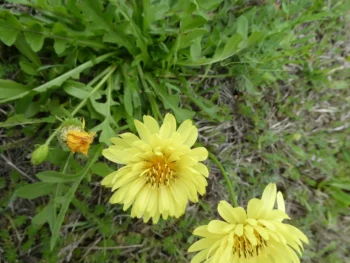
Smallflower Desert-Chicory: A Hidden Gem for Native Plant Enthusiasts
If you’re looking to add a touch of wild beauty to your native plant garden, smallflower desert-chicory (Pyrrhopappus pauciflorus) might just be the unsung hero your landscape has been waiting for. This charming little wildflower may not win any beauty contests against showier natives, but it packs a punch when it comes to supporting local wildlife and adding authentic prairie character to your garden.
What Makes This Plant Special?
Smallflower desert-chicory is a true native of the American Southwest and south-central regions, belonging to the sunflower family. As its name suggests, this plant produces small, bright yellow flowers that resemble tiny dandelions – but don’t let that comparison fool you into thinking it’s a weed! This native forb has been quietly supporting local ecosystems for centuries.
The plant can grow as either an annual or perennial, depending on conditions, and maintains a modest, herbaceous growth habit without any woody stems. It’s the kind of plant that knows how to blend in while still making a meaningful contribution to the landscape.
Where Does It Call Home?
This native beauty naturally grows across eight states: Arizona, Arkansas, Florida, Louisiana, Mississippi, New Mexico, Oklahoma, and Texas. It’s perfectly adapted to the climate and soil conditions of these regions, making it an excellent choice for gardeners wanting to work with nature rather than against it.
- Species observed
- No observations
A Word of Caution: Rarity Matters
Before you rush out to find this plant, there’s something important to know: smallflower desert-chicory is considered rare in Arkansas, with a rarity status of S1S2. This means it’s quite uncommon in that state and needs our protection. If you’re interested in growing this plant, please ensure you source it responsibly from reputable native plant nurseries rather than collecting from wild populations.
Why Your Garden (and Local Wildlife) Will Thank You
Despite its small stature, this plant is a wildlife champion. Research shows that it provides 5-10% of the diet for both large animals and terrestrial birds. Those bright yellow composite flowers are like tiny cafeterias for pollinators, attracting bees, butterflies, and other beneficial insects that keep our gardens healthy and productive.
The plant’s modest appearance actually works in its favor – it won’t overwhelm your design but will provide that authentic wild look that makes native gardens so appealing.
Perfect Garden Companions and Placement
Smallflower desert-chicory shines brightest in:
- Native plant and wildflower gardens
- Prairie restoration projects
- Xeriscapes and drought-tolerant landscapes
- Naturalized areas where you want low-maintenance beauty
This isn’t the plant for formal, manicured gardens, but it’s perfect for anyone wanting to create habitat while enjoying effortless beauty.
Growing Your Own: It’s Easier Than You Think
One of the best things about native plants is that they’re naturally adapted to thrive in their home regions, and smallflower desert-chicory is no exception.
Ideal Growing Conditions
- Sunlight: Full sun is best – this plant loves to bask
- Soil: Well-drained soils; it’s quite adaptable but hates wet feet
- Water: Drought tolerant once established – perfect for water-wise gardening
- Climate: Thrives in USDA hardiness zones 7-10
Planting and Care Tips
The beauty of native plants is their low-maintenance nature, and this one is no exception:
- Direct seed in fall for best results – let winter do the work of stratification
- Once established, it requires minimal watering
- No fertilizer needed – it’s adapted to natural soil conditions
- Allow it to self-seed for natural-looking drifts
- Deadheading isn’t necessary unless you want to prevent self-seeding
The Bottom Line
Smallflower desert-chicory might not be the flashiest plant in your garden, but it’s definitely one of the most valuable. It offers authentic native beauty, supports local wildlife, and requires virtually no maintenance once established. Just remember to source it responsibly, especially if you’re in Arkansas where it’s rare.
For gardeners who appreciate plants that work hard behind the scenes while adding genuine wild character to the landscape, this little desert-chicory is definitely worth considering. Your local pollinators and birds will certainly appreciate the gesture!