Small’s Jointweed: A Rare Florida Native Worth Preserving
Meet Small’s jointweed (Polygonella myriophylla), a delicate and increasingly rare Florida native that’s captured the hearts of conservation-minded gardeners. This petite perennial might not be the showiest plant in your garden, but it carries an important story of Florida’s unique scrub ecosystems and the ongoing effort to preserve them.
What Makes Small’s Jointweed Special?
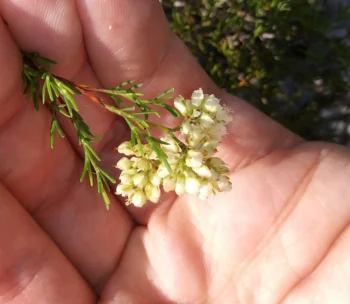
Small’s jointweed is a charming little herb that belongs to the buckwheat family. Don’t let the name fool you – this isn’t actually a weed at all! It’s a legitimate native wildflower that produces clusters of tiny white to pale pink flowers that seem to float above its fine, needle-like foliage. The plant gets its jointweed name from the distinctive nodes along its stems, which give it a jointed appearance.
As a perennial forb, this plant lacks woody tissue and dies back to ground level each year, regenerating from its root system when conditions are right. It typically grows as a low, spreading herb that forms small colonies over time.
Where Does It Come From?
Small’s jointweed is endemic to Florida, meaning it’s found nowhere else on Earth. This makes it extra special – and extra vulnerable. The plant calls Florida’s unique scrub habitats home, particularly areas with well-drained sandy soils.
- Species observed
- No observations
The Conservation Story: Why This Plant Needs Our Help
Here’s where things get serious. Small’s jointweed carries a Global Conservation Status of S3, meaning it’s considered vulnerable throughout its range. Even more concerning, it’s listed as Endangered in the United States. This means the plant faces a real risk of extinction if current trends continue.
Why is it so rare? Florida’s scrub habitats have been heavily impacted by development, agriculture, and fire suppression. These unique ecosystems, which took thousands of years to develop, have been reduced to scattered fragments. As the habitat disappears, so do the specialized plants like Small’s jointweed that call it home.
Should You Grow Small’s Jointweed?
If you’re a Florida gardener passionate about native plants and conservation, Small’s jointweed could be a meaningful addition to your landscape – but only if you can source it responsibly. This is crucial: never collect plants from the wild, as this could further threaten wild populations.
Garden Role and Design Ideas
Small’s jointweed works best in specialized native Florida gardens, particularly those designed to mimic scrub habitats. It’s perfect for:
- Xerophytic (dry) landscape designs
- Native plant conservation gardens
- Scrub habitat restoration projects
- Educational or demonstration gardens focused on rare Florida plants
The plant’s delicate texture and small stature make it ideal for foreground plantings or as an accent among other scrub natives.
Growing Conditions and Care
Small’s jointweed is adapted to Florida’s scrub conditions, which means it has very specific needs:
Climate: Suitable for USDA hardiness zones 9-11, essentially limiting it to Florida and similar subtropical climates.
Soil: Absolutely critical – this plant requires extremely well-drained, sandy soil. Poor drainage will likely kill it. Think sugar sand, not clay or even regular garden soil.
Light: Full sun is essential. This plant evolved in open scrub areas with little shade.
Water: Drought tolerant once established, but may need occasional water during extended dry periods. Avoid overwatering at all costs.
Planting and Care Tips
Growing Small’s jointweed successfully requires mimicking its natural habitat:
- Plant in spring when temperatures are warming but before summer heat arrives
- Ensure excellent drainage – consider raised beds or mounded plantings if your soil retains water
- Start with small plants rather than seeds, as germination can be challenging
- Water sparingly and only when soil is completely dry
- Avoid fertilizers, which can harm scrub plants adapted to poor soils
- Be patient – this plant may take time to establish and spread
Benefits to Wildlife
While Small’s jointweed might look unassuming, it provides valuable resources for Florida’s native pollinators. The small flowers attract native bees, beneficial insects, and other pollinators that have co-evolved with Florida’s scrub plants. By growing this plant, you’re supporting not just the plant itself, but the entire web of life that depends on scrub habitats.
A Plant Worth Preserving
Small’s jointweed represents something larger than itself – it’s a symbol of Florida’s unique natural heritage and the ongoing effort to preserve it. While it may not be the easiest plant to grow or the flashiest addition to your garden, it offers something invaluable: the chance to participate in conservation right in your own backyard.
If you choose to grow Small’s jointweed, remember that you’re not just gardening – you’re helping preserve a piece of Florida’s irreplaceable natural history. Just make sure to source your plants responsibly from reputable native plant nurseries that propagate their stock rather than collecting from wild populations.
Sometimes the most important plants in our gardens are the quiet ones, working behind the scenes to maintain the delicate balance of nature. Small’s jointweed is definitely one of those plants – small in stature, but huge in significance.