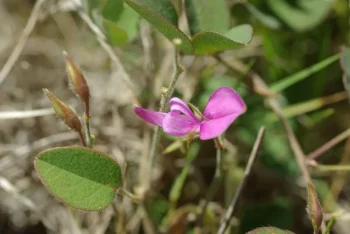
Small’s Milkpea: A Rare Florida Native Worth Protecting
Meet Small’s milkpea (Galactia smallii), one of Florida’s most precious botanical treasures. This unassuming little wildflower might not win any flashy garden contests, but it holds a special place in the hearts of native plant enthusiasts and conservationists. If you’re lucky enough to encounter this rare beauty, you’re witnessing something truly special.
What Makes Small’s Milkpea Special?
Small’s milkpea is a perennial forb herb – basically a non-woody flowering plant that comes back year after year. This low-growing ground hugger produces delicate pink to purple pea-like flowers that are absolutely charming when you get up close. The plant has a trailing, prostrate growth habit, spreading along the ground rather than reaching for the sky.
You might also see this plant listed under its scientific synonym, Galactia prostrata Small, in older botanical references.
Where Does It Call Home?
Small’s milkpea is a true Florida endemic, found nowhere else in the world except the Sunshine State. Its natural range is limited to central and southern Florida, where it grows in the state’s unique sandy habitats.
- Species observed
- No observations
A Conservation Priority
Here’s the important part: Small’s milkpea is listed as Endangered in the United States, with a Global Conservation Status that reflects its precarious situation. This means the plant is at serious risk of extinction, making every individual plant incredibly valuable.
If you’re considering adding this species to your garden, please only use plants or seeds from reputable native plant nurseries that source their material responsibly. Never collect from wild populations – this could harm the species’ survival.
Garden Appeal and Landscape Role
While Small’s milkpea may be small in stature, it packs a punch in the right garden setting. Here’s why you might want to include it:
- Perfect ground cover for native Florida gardens
- Attracts native bees and butterflies with its charming flowers
- Extremely low maintenance once established
- Helps support local biodiversity and conservation efforts
- Great conversation starter about Florida’s unique flora
Growing Conditions and Care
Small’s milkpea is surprisingly easy to grow if you can mimic its natural habitat:
Climate: Thrives in USDA hardiness zones 9-11, making it perfect for Florida’s climate
Soil: Prefers well-draining sandy soils – heavy clay will likely spell disaster for this plant
Light: Does best in full sun to partial shade
Water: Drought tolerant once established, requiring minimal supplemental watering
Planting and Care Tips
Growing Small’s milkpea successfully is all about recreating its natural environment:
- Plant in spring after the last frost date
- Ensure excellent drainage – consider raised beds if your soil is heavy
- Start with small plants rather than seeds for better success rates
- Water regularly during establishment, then back off significantly
- Avoid fertilizing – this plant prefers lean conditions
- Allow the plant to spread naturally as ground cover
Supporting Conservation
By growing Small’s milkpea in your garden, you’re doing more than just adding another pretty plant. You’re participating in conservation efforts to preserve Florida’s unique botanical heritage. Every garden that hosts this endangered species provides a backup population and helps ensure its survival for future generations.
Remember, the key is responsible sourcing. Support nurseries that propagate native plants ethically, and consider joining local native plant societies to learn more about conservation gardening.
The Bottom Line
Small’s milkpea might be small and rare, but it’s definitely worth considering for the right garden. If you have the appropriate growing conditions and can source plants responsibly, this endangered beauty offers a unique opportunity to support conservation while enjoying a truly special Florida native. Just remember – with great rarity comes great responsibility!