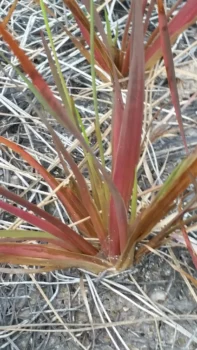
Small’s Yelloweyed Grass: A Delicate Native Wetland Beauty
If you’ve ever wandered through a coastal marsh or boggy meadow in the eastern United States, you might have spotted the cheerful yellow blooms of Small’s yelloweyed grass (Xyris smalliana) dancing above the wetland grasses. This charming native perennial brings a touch of sunshine to some of our most challenging garden environments, though it’s definitely not your typical backyard flower.
What Makes Small’s Yelloweyed Grass Special?
Small’s yelloweyed grass is a true native gem, naturally occurring across seventeen states from Maine down to Florida and as far west as Texas. As a member of the yelloweyed grass family, this perennial forb produces delicate yellow flowers on slender stems that rise above narrow, grass-like foliage. The flowers may be small, but they pack a visual punch when they appear in clusters throughout the growing season.
This plant has quite the collection of historical names too – botanists have called it everything from Xyris caroliniana var. olneyi to Xyris congdonii over the years, but Xyris smalliana is the name that stuck.
- Species observed
- No observations
The Wetland Specialist
Here’s where things get interesting (and a bit challenging for most gardeners): Small’s yelloweyed grass is what we call an obligate wetland plant. This means it almost always needs its feet wet – we’re talking consistently saturated soils, not just the occasional watering. Whether you’re in the Atlantic Coastal Plain, the Eastern Mountains, or anywhere in the Northeast, this plant demands wetland conditions to thrive.
Is Small’s Yelloweyed Grass Right for Your Garden?
Let’s be honest – this isn’t a plant for every garden. Small’s yelloweyed grass shines in very specific situations:
- Rain gardens: If you have a low spot that stays soggy after storms
- Pond edges: Perfect for naturalizing around water features
- Bog gardens: Ideal for specialized wetland plantings
- Restoration projects: Excellent for restoring native wetland habitats
However, if you’re looking for something for your typical perennial border or dry garden bed, you’ll want to skip this one. Small’s yelloweyed grass simply won’t survive without consistent moisture.
Growing Conditions and Care
If you do have the right wetland conditions, Small’s yelloweyed grass can be a delightful addition. This hardy perennial can handle USDA zones 5 through 9, which covers most of its natural range. Here’s what it needs to succeed:
- Light: Full sun to partial shade
- Soil: Consistently wet to saturated, acidic soils preferred
- Water: Constant moisture is non-negotiable
- Maintenance: Very low once established in proper conditions
The Challenges (And Why That’s Okay)
Growing Small’s yelloweyed grass outside of its natural wetland habitat is genuinely difficult. This plant has evolved specifically for boggy, saturated conditions that most residential landscapes simply can’t provide. Rather than fighting against its nature, it’s better to appreciate it in its natural settings or create dedicated wetland gardens if you’re truly committed.
The good news? If you do manage to establish it in the right spot, it’s relatively carefree. Native plants like Small’s yelloweyed grass have spent thousands of years perfecting their survival strategies in their preferred environments.
Wildlife and Ecological Benefits
While Small’s yelloweyed grass may not be the showiest pollinator magnet, it plays an important role in wetland ecosystems. The flowers provide nectar for small pollinators, and the plant contributes to the overall biodiversity that makes healthy wetlands so valuable for wildlife habitat.
The Bottom Line
Small’s yelloweyed grass is a beautiful native plant that deserves appreciation, but it’s definitely a specialist. If you have natural wetland conditions on your property or are creating a rain garden or bog garden, it could be a wonderful addition. For everyone else, it’s perfectly fine to admire this charming plant in its natural wetland homes and choose more adaptable natives for typical garden conditions.
Sometimes the most interesting plants are the ones that remind us that not everything needs to fit into our conventional idea of a garden – and that’s what makes native plant gardening so fascinating!