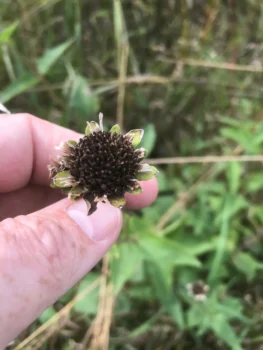
Smooth Oxeye: A Bright and Easy Native Perennial for Your Garden
If you’re looking for a cheerful, low-maintenance native perennial that’ll keep your garden buzzing with activity, meet smooth oxeye (Heliopsis helianthoides var. scabra). This delightful member of the sunflower family brings months of sunny yellow blooms to gardens across much of North America, and it’s surprisingly easy to please.
What Makes Smooth Oxeye Special?
Smooth oxeye is a native North American perennial that’s been brightening up prairies and woodland edges for centuries. As a true native, it’s perfectly adapted to our climate and plays an important role in supporting local ecosystems. You might also see it listed under several botanical synonyms, including Heliopsis scabra or Heliopsis minor, but they’re all referring to the same wonderful plant.
Where Does Smooth Oxeye Call Home?
This adaptable native has quite an impressive range! You’ll find smooth oxeye growing naturally across much of eastern and central North America, from the Canadian provinces of Manitoba, New Brunswick, Ontario, Quebec, and Saskatchewan, down through states like Illinois, Iowa, Kansas, Kentucky, Louisiana, Massachusetts, Missouri, New Jersey, New Mexico, New York, Oklahoma, Texas, Virginia, and Wisconsin. It even makes its home as far east as Newfoundland.
- Species observed
- No observations
It’s worth noting that in New Jersey, smooth oxeye has a special conservation status as Highlands Listed, so if you’re gardening in that area, make sure to source your plants responsibly from reputable native plant nurseries.
A Garden Showstopper That’s Easy on the Eyes
What really sets smooth oxeye apart is its incredibly long bloom season. From midsummer through fall, this perennial produces an abundance of bright yellow, daisy-like flowers that measure about 2-3 inches across. The blooms have that classic happy face look that makes everyone smile, with cheerful yellow petals surrounding a prominent golden center.
As a herbaceous perennial forb, smooth oxeye typically reaches 3-5 feet in height and spreads 2-3 feet wide, making it perfect for the middle or back of flower borders. The plant has a somewhat upright, bushy growth habit with sturdy stems that rarely need staking.
Perfect Spots for Smooth Oxeye in Your Landscape
This versatile native fits beautifully into several garden styles:
- Native plant gardens: Obviously at home here, paired with other regional natives
- Prairie and meadow gardens: Adds height and bright color to naturalized areas
- Pollinator gardens: A magnet for beneficial insects throughout its long bloom period
- Cottage gardens: Brings that relaxed, slightly wild look that cottage gardeners love
- Perennial borders: Excellent as a reliable mid-to-back border plant
Growing Smooth Oxeye: Easier Than You Think
Here’s the best news about smooth oxeye – it’s wonderfully undemanding! This tough native thrives in USDA hardiness zones 3-9, making it suitable for most of the continental United States and much of Canada.
Light and Soil Needs
Smooth oxeye performs best in full sun but will tolerate partial shade (though you might see fewer blooms). As for soil, this adaptable plant isn’t picky – it’ll grow in average garden soil and even tolerates clay or sandy conditions. Once established, it’s quite drought tolerant, though it appreciates regular water during extended dry spells.
Planting and Care Tips
Plant smooth oxeye in spring after the last frost, spacing plants about 2-3 feet apart. Here are some simple care guidelines:
- Water regularly the first year to help establish a strong root system
- Deadhead spent flowers to encourage continued blooming
- Cut back to ground level in late fall or early spring
- Divide clumps every 3-4 years if they become overcrowded
- Watch for self-seeding – smooth oxeye can spread naturally, which is great for naturalized areas
A Pollinator Paradise
One of the biggest reasons to grow smooth oxeye is its incredible value to pollinators and beneficial insects. The long-blooming flowers provide nectar and pollen for bees, butterflies, and other helpful garden visitors throughout the late summer and fall when many other flowers are winding down. You’ll often see the blooms covered with busy bees and colorful butterflies – it’s like having a front-row seat to nature’s best show!
Should You Plant Smooth Oxeye?
For most gardeners, smooth oxeye is an excellent choice. It’s native, low-maintenance, long-blooming, and provides significant ecological benefits. The only considerations are its potential to self-seed (which can be managed by deadheading) and its height – make sure you have space for a plant that can reach 4-5 feet tall.
If you’re in New Jersey, just remember to source your plants from reputable native plant nurseries that practice responsible propagation methods, given its special conservation status in that state.
Whether you’re creating a pollinator haven, establishing a prairie garden, or just want a reliable, cheerful perennial that’ll bloom its heart out year after year, smooth oxeye deserves a spot in your landscape. Your local pollinators will definitely thank you!