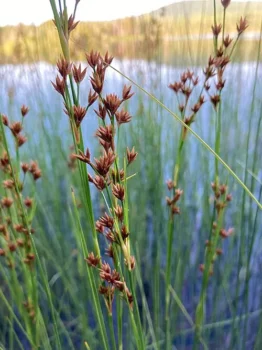
Smooth Sawgrass: A Graceful Native Sedge for Wetland Gardens
If you’ve ever wondered what to plant in that persistently soggy spot in your yard, meet smooth sawgrass (Cladium mariscoides) – a native sedge that absolutely loves having wet feet. This elegant grass-like perennial might not have the flashiest flowers, but it brings a subtle, naturalistic beauty to wetland gardens that’s hard to beat.
What is Smooth Sawgrass?
Despite its common name, smooth sawgrass isn’t actually a grass at all – it’s a sedge, part of the Cyperaceae family. This perennial plant forms clumps of narrow, arching leaves and produces small, inconspicuous brown flower clusters. Don’t let the sawgrass name scare you though; unlike its more aggressive cousin, this species has smooth-edged leaves that won’t cut you.
Where Does It Grow Naturally?
Smooth sawgrass is a true North American native, found from Canada down through much of the eastern United States. You can find it growing naturally in states from Maine to Florida, and as far west as Texas and Minnesota. It also extends into several Canadian provinces including Ontario, Quebec, and the Maritime provinces.
- Species observed
- No observations
Important note: If you’re gardening in Alabama, be aware that smooth sawgrass has a rarity status of S1, meaning it’s critically imperiled in the state. While this makes it an excellent conservation choice, please ensure you source plants from reputable native plant nurseries rather than collecting from wild populations.
Why Choose Smooth Sawgrass for Your Garden?
Here’s where smooth sawgrass really shines – it’s the perfect solution for those challenging wet areas where other plants struggle:
- Wetland specialist: This plant is classified as Obligate Wetland across all regions, meaning it thrives in consistently moist to wet conditions
- Low maintenance: Once established, it requires minimal care
- Wildlife habitat: Provides cover and nesting material for wetland birds and small mammals
- Erosion control: Excellent for stabilizing wet soils along pond edges or stream banks
- Natural beauty: Adds graceful, flowing texture to naturalistic landscapes
Perfect Garden Settings
Smooth sawgrass isn’t for every garden, but in the right setting, it’s absolutely perfect:
- Rain gardens and bioswales
- Pond and water feature margins
- Bog gardens
- Wetland restoration projects
- Native plant landscapes with consistent moisture
- Areas that flood seasonally
Growing Conditions
The key to success with smooth sawgrass is understanding its water needs:
- Sunlight: Full sun to partial shade
- Soil: Consistently moist to wet soils; tolerates periodic flooding
- Hardiness: USDA zones 3-9
- pH: Adaptable to various pH levels
- Spacing: Allow 1-2 feet between plants
Planting and Care Tips
Getting smooth sawgrass established is straightforward if you keep it wet:
- Spring planting: Best time to establish new plants
- Keep consistently moist: Never let the soil dry out, especially during establishment
- Mulching: Not typically necessary in wet conditions
- Fertilizing: Generally not needed; thrives in naturally nutrient-rich wetland soils
- Pruning: Cut back old foliage in late winter before new growth emerges
Potential Drawbacks
Before you fall in love with smooth sawgrass, consider these limitations:
- Requires consistently wet conditions – won’t tolerate drought
- Not suitable for traditional perennial borders or dry gardens
- Flowers are not showy
- May spread slowly, requiring patience for full establishment
- Limited availability due to specialized growing requirements
The Bottom Line
Smooth sawgrass is a wonderful native choice for gardeners dealing with wet, challenging sites. While it won’t work in every garden, it’s absolutely perfect for rain gardens, pond edges, and wetland restoration projects. Its graceful form and important ecological role make it a valuable addition to naturalistic landscapes.
If you’re in Alabama, remember to source plants responsibly due to its rare status in the state. For everyone else with a wet spot that needs filling, smooth sawgrass offers an elegant, low-maintenance solution that supports local wildlife while adding natural beauty to your landscape.