Smooth Tofieldia: A Delicate Wetland Native Worth Getting to Know
If you’re the type of gardener who gets excited about discovering hidden gems in the plant world, let me introduce you to smooth tofieldia (Tofieldia glabra). This unassuming little perennial might not win any flashy flower contests, but it has a quiet charm that’s perfect for specialized garden situations – if you can provide what it needs to thrive.
What Exactly Is Smooth Tofieldia?
Smooth tofieldia is a native perennial forb that belongs to the fascinating world of wetland plants. As a forb, it’s essentially an herbaceous flowering plant without woody stems – think of it as the botanical equivalent of a delicate grass with a secret talent for producing charming little flower spikes.
This plant is a true southeastern native, calling North Carolina and South Carolina home. While its range might seem limited, that actually makes it a special choice for gardeners in these areas who want to support truly local ecosystems.
- Species observed
- No observations
The Appeal (And the Challenge)
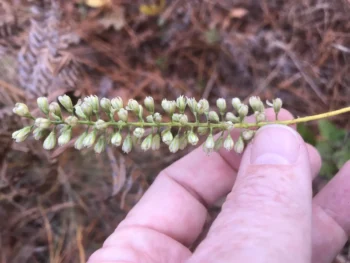
Let’s be honest – smooth tofieldia isn’t going to stop traffic with its looks. But sometimes the most rewarding plants are the ones that require you to slow down and really observe them. The delicate white flowers appear in slender spikes above grass-like foliage, creating an understated elegance that’s perfect for naturalistic settings.
Here’s where things get interesting (and potentially challenging): smooth tofieldia is classified as a facultative wetland plant in both the Atlantic and Gulf Coastal Plain and Eastern Mountains and Piedmont regions. This means it usually occurs in wetlands but can occasionally pop up in non-wetland areas. Translation? This plant really, really likes its feet wet.
Is Smooth Tofieldia Right for Your Garden?
This plant is definitely not for everyone, and that’s okay! Here’s who might want to consider it:
- Gardeners with naturally wet or boggy areas in their landscape
- Native plant enthusiasts in North or South Carolina
- Those creating wetland restoration projects
- Collectors of unusual native plants
- Anyone with a rain garden or constructed wetland
However, if you’re looking for a low-maintenance perennial for typical garden beds, smooth tofieldia probably isn’t your best bet. Its specialized moisture requirements make it unsuitable for most conventional garden settings.
Growing Smooth Tofieldia Successfully
If you’re still intrigued and have the right conditions, here’s what smooth tofieldia needs to flourish:
Light Requirements: This plant prefers full sun to partial shade. In its native wetland habitats, it often grows in areas with good light exposure.
Soil and Moisture: Here’s the non-negotiable part – smooth tofieldia needs consistently moist to wet, acidic soils. Think bog-like conditions rather than typical garden soil. If your soil drains well, this plant will struggle.
Climate Considerations: Being native to the southeastern United States, smooth tofieldia is adapted to USDA hardiness zones 7-9. It can handle the heat and humidity of southeastern summers as long as its moisture needs are met.
Planting and Care Tips
Because of its specialized requirements, smooth tofieldia is best suited for very specific situations:
- Plant in areas that stay consistently moist or wet year-round
- Ensure soil is acidic (pH below 7)
- Choose locations with good air circulation to prevent fungal issues in wet conditions
- Once established, maintenance is minimal – just ensure water levels remain consistent
- Be patient – like many wetland plants, it may take time to establish and spread
Supporting Local Ecosystems
While we don’t have extensive data on smooth tofieldia’s specific wildlife benefits, wetland plants like this one typically support various small pollinators and may provide habitat for specialized wetland insects. By growing native plants like smooth tofieldia, you’re contributing to the preservation of regional plant communities and supporting local biodiversity.
The Bottom Line
Smooth tofieldia is definitely a niche plant, but that doesn’t make it any less valuable. If you have wet areas in your landscape and want to support native southeastern flora, this delicate perennial could be a wonderful addition. Just remember that success with this plant is all about matching its very specific needs – try to grow it in typical garden conditions, and you’ll both be disappointed.
For most gardeners, smooth tofieldia will remain an interesting plant to appreciate in its natural wetland habitats rather than in home landscapes. And there’s absolutely nothing wrong with that – sometimes the best way to support native plants is simply to learn about them and protect the wild spaces where they naturally thrive.