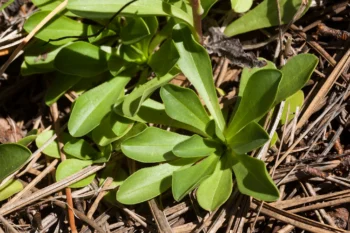
Smooth Townsend Daisy: A Charming Native for Rock Gardens and Xeriscapes
Meet the smooth Townsend daisy (Townsendia formosa), a delightful little native wildflower that’s perfectly suited for gardeners looking to add authentic southwestern charm to their landscapes. This unassuming perennial may be small in stature, but it packs a big punch when it comes to beauty and ecological value.
What Makes Smooth Townsend Daisy Special?
Don’t let the name fool you – while this plant is called smooth, it’s anything but ordinary. The smooth Townsend daisy is a native perennial forb that forms low, cushion-like rosettes topped with cheerful daisy flowers. The blooms feature crisp white to pale pink petals surrounding bright yellow centers, creating a classic daisy appearance that never goes out of style.
As a true native of the American Southwest, this species is found naturally in Arizona and New Mexico, where it has adapted to thrive in challenging desert and mountain conditions. Also known by its synonym Townsendia pinetorum, this hardy little plant has evolved to make the most of minimal resources while providing maximum visual impact.
- Species observed
- No observations
Why Choose Smooth Townsend Daisy for Your Garden?
There are several compelling reasons to consider adding this native beauty to your landscape:
- Authentic regional character: As a true southwestern native, it adds genuine local flavor to your garden
- Low maintenance: Once established, it requires minimal care and is naturally drought-tolerant
- Pollinator magnet: The daisy flowers attract native bees, butterflies, and other beneficial insects
- Year-round interest: The evergreen rosettes provide structure even when not in bloom
- Perfect for challenging spots: Thrives where other plants struggle, particularly in rocky or sandy soils
Important Conservation Note
Before you rush out to find this plant, it’s worth noting that smooth Townsend daisy has a Global Conservation Status of S3S4, indicating it may face some conservation concerns. If you decide to grow this species, please ensure you source plants or seeds from reputable native plant nurseries that use responsibly collected material. Never collect plants from wild populations.
Ideal Garden Settings
The smooth Townsend daisy truly shines in specific garden styles and locations:
- Rock gardens: Perfect for tucking into crevices and between stones
- Alpine gardens: Mimics its natural mountain habitat
- Xeriscapes: An excellent choice for water-wise landscaping
- Native plant gardens: Provides authentic regional representation
- Border edges: Creates neat, low borders along pathways
Growing Conditions and Care
Success with smooth Townsend daisy comes down to understanding its natural preferences. This plant is hardy in USDA zones 4-8, making it suitable for a wide range of climates, though it performs best in areas with dry summers and cold winters.
Sunlight: Full sun is essential for the best flowering and compact growth habit.
Soil requirements: The absolute key to success is excellent drainage. This plant despises soggy conditions and will quickly rot in poorly drained soils. Sandy, rocky, or gravelly soils are ideal. If you have clay soil, consider raised beds or containers.
Watering: Once established, smooth Townsend daisy is remarkably drought-tolerant. Water sparingly and allow soil to dry completely between waterings. Overwatering is the quickest way to kill this plant.
Planting and Establishment Tips
Getting your smooth Townsend daisy off to a good start requires attention to a few key details:
- Plant in spring after the last frost when soil has warmed
- Amend heavy soils with coarse sand or gravel to improve drainage
- Space plants 6-12 inches apart to allow for natural spreading
- Apply a thin layer of gravel mulch rather than organic mulch
- Water lightly until established, then reduce watering significantly
- Avoid fertilizing – this plant prefers lean, nutrient-poor soils
Seasonal Interest and Maintenance
One of the smooth Townsend daisy’s greatest assets is its low-maintenance nature. The compact rosettes remain attractive year-round, providing structure to your garden even in winter. Flowers typically appear in late spring through early summer, though timing can vary based on elevation and local conditions.
Maintenance is minimal – simply remove spent flowers if desired, though many gardeners prefer to leave them for seed production to support wildlife. The plant may self-seed in favorable conditions, though germination can be sporadic.
Wildlife and Ecological Benefits
Despite its small size, smooth Townsend daisy provides valuable ecological benefits. The flowers attract a variety of native pollinators, including small native bees and butterflies. As a native plant, it supports local ecosystems and provides food sources that wildlife have co-evolved with over thousands of years.
Is Smooth Townsend Daisy Right for Your Garden?
This charming native is an excellent choice for gardeners who appreciate understated beauty and want to support local ecosystems. It’s particularly well-suited for those in the Southwest looking to create authentic regional landscapes or anyone dealing with challenging growing conditions like poor drainage or rocky soils.
However, it may not be the best choice if you prefer large, showy flowers or have heavy, poorly-draining clay soil that you’re unwilling to amend. Additionally, given its conservation status, it’s a plant for gardeners committed to responsible sourcing and native plant stewardship.
When grown in the right conditions, smooth Townsend daisy rewards gardeners with years of low-maintenance beauty and the satisfaction of supporting native biodiversity. It’s a small plant with a big heart – much like the best things in gardening.