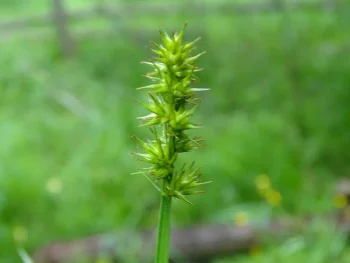
Smoothsheath Sedge: The Perfect Native Plant for Your Wet Garden Spots
If you’ve been scratching your head about what to plant in those perpetually soggy spots in your yard, meet your new best friend: smoothsheath sedge (Carex laevivaginata). This unassuming but incredibly useful native sedge might not win any flashy flower contests, but it’s absolutely stellar at what it does best—thriving in wet conditions while providing valuable ecosystem services.
What Exactly Is Smoothsheath Sedge?
Smoothsheath sedge is a native perennial sedge that belongs to the large and diverse Carex family. As a graminoid, it’s grass-like in appearance but don’t let that fool you into thinking it’s boring. This hardy plant has adapted beautifully to life in consistently wet conditions, making it an invaluable addition to native plant gardens and restoration projects.
You might occasionally see this plant listed under its synonym Carex stipata var. laevivaginata, but Carex laevivaginata is the accepted name botanists use today.
Where Does It Call Home?
This sedge is a true North American native, naturally occurring across a impressive range that spans from southeastern Canada down through much of the eastern United States. You’ll find wild populations from Maine to Florida and as far west as Minnesota and Oklahoma, covering states including Alabama, Arkansas, Connecticut, Delaware, Florida, Georgia, Illinois, Indiana, Iowa, Kentucky, Maryland, Massachusetts, Michigan, Mississippi, Missouri, New Jersey, New York, North Carolina, Ohio, Pennsylvania, Rhode Island, South Carolina, Tennessee, Vermont, Virginia, West Virginia, and Wisconsin.
- Species observed
- No observations
A Word About Rarity
Before you rush out to find this plant, there’s something important to know: smoothsheath sedge is considered rare in Arkansas, where it holds an S2 status. This means if you’re planning to add it to your garden, please source your plants responsibly from reputable native plant nurseries rather than collecting from the wild. Wild collection can harm already vulnerable populations.
Why Your Garden (and Local Wildlife) Will Love It
Here’s where smoothsheath sedge really shines—it’s what botanists call an obligate wetland plant across all regions where it grows. This fancy term simply means it almost always occurs in wetlands and has adapted to thrive in conditions that would drown many other plants.
For your garden, this translates to:
- A reliable solution for rain gardens and bioswales
- Perfect for pond edges and stream banks
- Excellent erosion control in wet areas
- Low-maintenance once established
- Authentic native plant for restoration projects
Growing Smoothsheath Sedge Successfully
The beauty of smoothsheath sedge lies in its simplicity. This plant is hardy in USDA zones 3-9, covering most of temperate North America. It prefers full sun to partial shade and, unsurprisingly given its wetland status, consistently moist to wet soils.
Here are the key growing conditions it craves:
- Light: Full sun to partial shade
- Soil: Consistently moist to wet, tolerates periodic flooding
- pH: Adaptable to various soil pH levels
- Water: High water needs—this isn’t a plant for dry spots!
Perfect Garden Companions
Smoothsheath sedge plays well with other wetland natives. Consider pairing it with native wildflowers like cardinal flower, blue flag iris, or swamp milkweed for a diverse and ecologically valuable planting. Other compatible sedges and rushes can create a naturalistic wetland meadow look that’s both beautiful and beneficial.
The Bottom Line
If you have a wet spot in your landscape and want to work with nature rather than against it, smoothsheath sedge deserves serious consideration. It’s a hardworking native that provides habitat value while solving those challenging wet soil problems. Just remember to source it responsibly from reputable nurseries, especially given its rarity status in some areas.
While it may not be the showiest plant in your garden, smoothsheath sedge represents something beautiful: a perfect marriage between practical gardening solutions and environmental stewardship. And in our book, that makes it pretty spectacular indeed.