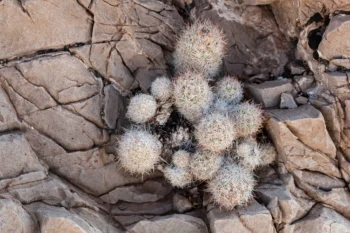
Sneed’s Pincushion Cactus: A Tiny Desert Jewel for Your Garden
If you’re looking to add some authentic Southwestern charm to your landscape, meet Sneed’s pincushion cactus (Escobaria sneedii var. sneedii) – a delightful little native that packs a big punch in small spaces. Also known as carpet foxtail cactus, this petite desert dweller is like nature’s own living sculpture, perfect for gardeners who appreciate the beauty of minimalist, water-wise landscaping.
A True Southwestern Native
Sneed’s pincushion cactus is proudly native to the United States, specifically calling the Chihuahuan Desert regions of New Mexico and Texas home. This perennial succulent has been thriving in these arid landscapes long before any of us thought about xeriscaping, making it a wonderful choice for gardeners who want to support local ecosystems while creating stunning, low-maintenance displays.
- Species observed
- No observations
Important Conservation Note
Before you rush to add this beauty to your cart, here’s something important to know: Sneed’s pincushion cactus has conservation status concerns. If you decide to grow this special plant, please make sure you’re sourcing it responsibly from reputable nurseries that propagate rather than wild-collect their plants. This helps protect wild populations while still allowing you to enjoy this remarkable cactus.
What Makes It Special
Don’t let its small size fool you – this cactus is a showstopper! Sneed’s pincushion cactus forms compact clusters of cylindrical stems adorned with intricate patterns of colorful spines. In spring and early summer, it produces vibrant pink to magenta flowers that seem almost too large for the plant itself. It’s like watching a tiny fireworks show in your garden!
The plant typically stays quite small and grows slowly, making it perfect for:
- Rock gardens and desert landscapes
- Container gardening
- Accent plantings in xeriscapes
- Indoor cultivation in sunny windows
Growing Sneed’s Pincushion Cactus Successfully
The good news? This little cactus is relatively easy to care for once you understand its desert origins. Here’s what you need to know:
Ideal Growing Conditions
- Sunlight: Full sun is essential – at least 6 hours of direct sunlight daily
- Soil: Well-draining, sandy or rocky soil is crucial. Think desert not rainforest
- Water: Minimal watering – only when soil is completely dry
- Climate: Thrives in USDA hardiness zones 8-10
Planting and Care Tips
Getting started with Sneed’s pincushion cactus is straightforward if you keep its desert preferences in mind:
- Plant in spring after the last frost
- Ensure excellent drainage – consider raised beds or containers if your soil holds water
- Water sparingly during growing season, reduce dramatically in winter
- Protect from excessive moisture, especially during winter months
- In colder areas of its range, provide some winter protection
Wildlife and Pollinator Benefits
While small, Sneed’s pincushion cactus plays an important role in supporting local wildlife. Its colorful flowers attract native bees and other small pollinators, providing them with nectar during the blooming season. The plant’s structure can also offer shelter for small desert creatures.
Is This Cactus Right for Your Garden?
Sneed’s pincushion cactus is perfect for you if:
- You want to support native plant conservation
- You’re creating a water-wise garden
- You appreciate unique, architectural plants
- You live in an arid climate (or can simulate one)
- You enjoy low-maintenance gardening
However, you might want to consider alternatives if you live in a very humid climate, prefer high-maintenance plants that need regular water, or don’t have access to full sun locations.
The Bottom Line
Sneed’s pincushion cactus offers gardeners a chance to grow a truly special native plant while supporting conservation efforts. With its stunning flowers, interesting form, and minimal care requirements, it’s a wonderful addition to the right garden setting. Just remember to source responsibly and give it the sunny, well-drained conditions it craves. Your patience will be rewarded with years of desert beauty right in your own backyard!