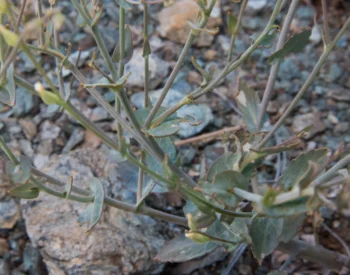
Socrates Mine Jewelflower: A Rare California Native Worth Protecting
Meet the Socrates Mine jewelflower (Streptanthus brachiatus), a botanical treasure that’s as intriguing as its name suggests. This little-known California native isn’t your typical garden center find, and there’s a very good reason for that – it’s one of the rarest plants in the Golden State.
What Makes This Plant Special?
The Socrates Mine jewelflower is a charming forb that belongs to the mustard family. As an annual or perennial herb, it produces delicate clusters of small yellow flowers that dance above slender stems. Don’t expect towering height from this modest beauty – it’s perfectly content staying close to the ground, making it a subtle but meaningful addition to the right garden setting.
What truly sets this plant apart isn’t just its appearance, but its incredible rarity. With a Global Conservation Status of S2 (Imperiled), there are only an estimated 6 to 20 known populations remaining, with somewhere between 1,000 to 3,000 individual plants left in the wild. That makes spotting one in nature about as exciting as finding a four-leaf clover!
Where Does It Call Home?
This California endemic has chosen some pretty specific real estate – it’s found exclusively in the Golden State, where it has adapted to very particular soil conditions. The Socrates Mine jewelflower has a thing for serpentine soils, those greenish, mineral-rich soils that many plants find challenging but this little survivor has learned to love.
- Species observed
- No observations
Should You Grow Socrates Mine Jewelflower?
Here’s where things get both exciting and serious. If you’re passionate about conservation and native plant preservation, growing this rare beauty could be a meaningful contribution to its survival – but only if you do it right.
Important: Due to its imperiled status, you should only plant Socrates Mine jewelflower if you can source it from responsible, conservation-minded suppliers who are working to propagate the species ethically. Never collect from wild populations.
Growing Conditions and Care
If you’re committed to giving this rare plant a home, here’s what it needs to thrive:
- Soil: Well-draining, preferably serpentine or mineral-rich soils
- Water: Drought-tolerant once established; avoid overwatering
- Sun: Full sun to partial shade
- Climate: USDA hardiness zones 8-10
- Maintenance: Low maintenance once established in proper conditions
Garden Design Role
The Socrates Mine jewelflower isn’t going to be your garden’s showstopper, but it serves a special purpose. It’s perfect for:
- Native plant gardens focused on conservation
- Rock gardens with well-draining conditions
- Educational gardens that tell the story of California’s rare flora
- Pollinator gardens supporting native bees and beneficial insects
Wildlife and Pollinator Benefits
Despite its small stature, this little jewelflower pulls its weight in supporting local ecosystems. Its flowers attract small native bees and other beneficial insects, contributing to the pollinator network that keeps California’s wild spaces thriving.
The Bottom Line
Growing Socrates Mine jewelflower isn’t for every gardener – and that’s okay. This is a plant for those who are passionate about conservation, willing to source responsibly, and committed to providing the specific conditions it needs. If that describes you, welcoming this rare beauty into your garden could be a small but meaningful step in preserving California’s botanical heritage.
Remember, every plant grown in cultivation is potentially one more step back from the brink of extinction. Sometimes the smallest flowers carry the biggest hopes for the future.