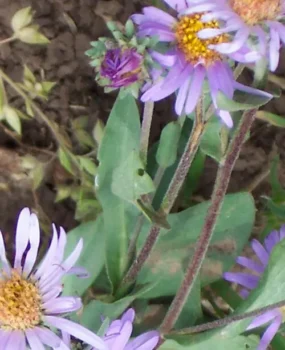
Soft Aster: A Rare Wyoming Native Worth Protecting
Meet the soft aster (Symphyotrichum molle), one of Wyoming’s most precious floral gems. This delicate perennial wildflower might not be the showiest plant in the garden, but what it lacks in flashiness, it more than makes up for in ecological importance and prairie charm.
A Plant with Limited Real Estate
Soft aster is exclusively native to Wyoming, making it a true regional treasure. This forb—basically a non-woody flowering plant—has carved out a very specific niche in the Cowboy State’s landscape. Unlike its more widespread aster cousins, this little beauty has chosen to call only Wyoming home.
- Species observed
- No observations
Why Rarity Matters
Here’s something every gardener should know: soft aster carries a Global Conservation Status of S3, meaning it’s considered vulnerable. With typically only 21 to 100 known occurrences and between 3,000 to 10,000 individual plants in the wild, this species walks a tightrope between survival and potential decline.
Important note for gardeners: If you’re interested in growing soft aster, please ensure you source it responsibly from reputable native plant nurseries that propagate rather than wild-collect their stock. Never dig plants from the wild—every individual counts when a species is this rare.
What Does Soft Aster Look Like?
True to its aster heritage, soft aster produces the classic daisy-like flowers that make this plant family so beloved. Expect small blooms in shades of white to pale purple that appear in late summer and fall, just when your garden might be looking a bit tired. As a perennial forb, it returns year after year, slowly building up its presence in your landscape.
Growing Soft Aster Successfully
If you’re fortunate enough to acquire soft aster from a responsible source, here’s how to give it the best chance to thrive:
Ideal Growing Conditions
- Sunlight: Full sun exposure
- Soil: Well-draining soils, from dry to moderately moist conditions
- Climate: Hardy in USDA zones 3-6, perfectly adapted to Wyoming’s challenging climate
- Elevation: Tolerates high elevation conditions
Care and Maintenance
One of the beauties of native plants like soft aster is their low-maintenance nature once established. This drought-tolerant perennial asks for very little:
- Water sparingly after establishment—it’s adapted to Wyoming’s naturally dry conditions
- Avoid over-fertilizing, which can actually harm native plants
- Allow natural winter dieback to provide habitat for beneficial insects
- Be patient—native plants often take a year or two to fully establish
Perfect Garden Companions
Soft aster shines in native plant gardens, prairie restorations, and xerophytic (dry-loving) landscapes. Pair it with other Wyoming natives and drought-tolerant plants that share similar growing requirements. It’s particularly valuable in naturalistic garden designs where the goal is to recreate regional ecosystems.
Wildlife and Pollinator Benefits
Like other members of the aster family, soft aster serves as an important late-season nectar source for pollinators. Native bees, butterflies, and other beneficial insects rely on plants like this, especially as summer transitions to fall when flower options become scarce.
Should You Grow Soft Aster?
The answer is a cautious yes—if you can source it responsibly. Growing rare native plants in home gardens can actually help with conservation efforts by creating additional populations and raising awareness about these vulnerable species. However, this comes with the responsibility to:
- Only purchase from reputable nurseries that propagate their own stock
- Never collect from wild populations
- Consider sharing seeds or divisions with other native plant enthusiasts
- Support organizations working to protect Wyoming’s native plant communities
Soft aster may be small and rare, but it represents something much larger—the unique botanical heritage of Wyoming and the importance of preserving our regional plant communities for future generations. If you’re lucky enough to grow this special plant, you’re not just adding beauty to your garden; you’re participating in conservation.