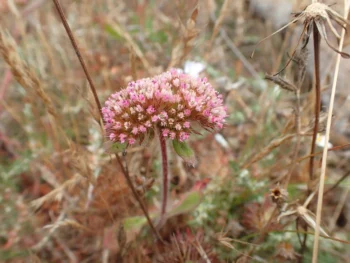
Sonoma Spineflower: A Rare California Native Worth Protecting
Meet the Sonoma spineflower (Chorizanthe valida), one of California’s most endangered wildflowers. This tiny annual native is so rare that you’re more likely to spot a shooting star than encounter one growing wild. But don’t let its size fool you – this little plant carries big conservation significance and deserves a spot in our hearts, if not necessarily in every garden.
What Makes Sonoma Spineflower Special
The Sonoma spineflower is a small annual forb – essentially a non-woody flowering plant that completes its entire life cycle in one growing season. Despite its delicate nature, this plant has adapted to survive in California’s challenging coastal sandy soils, where few other plants dare to grow.
True to its name, this native wildflower calls only California home, and more specifically, it’s found exclusively in Sonoma County. This incredibly limited geographical distribution makes it one of the state’s most geographically restricted plants.
- Species observed
- No observations
The Rarity Reality Check
Here’s where things get serious: the Sonoma spineflower has a Global Conservation Status of S1, meaning it’s critically imperiled. With typically five or fewer occurrences and very few remaining individuals (fewer than 1,000), this species is listed as Endangered in the United States. This isn’t just rare – it’s teetering on the edge of extinction.
Should You Grow Sonoma Spineflower?
The short answer is: only if you can source it responsibly and have the right conditions. This isn’t a plant for casual gardening, but rather for dedicated conservationists and native plant enthusiasts who understand the gravity of working with endangered species.
If you’re considering growing Sonoma spineflower, here’s what you need to know:
- Only obtain seeds or plants from reputable native plant societies or conservation organizations
- Never collect from wild populations
- Ensure you can provide the specific sandy, well-draining soil conditions it requires
- Understand that this is primarily a conservation effort, not traditional landscaping
Growing Conditions and Care
Sonoma spineflower is adapted to very specific conditions that mirror its native coastal habitat:
- Soil: Sandy, well-draining soils are absolutely essential
- Sun exposure: Full sun
- Water needs: Minimal water after establishment; relies on natural rainfall patterns
- Climate zones: USDA zones 9-10, specifically adapted to California’s coastal climate
Landscape Role and Garden Types
This isn’t your typical garden centerpiece. The Sonoma spineflower produces small, inconspicuous white to pinkish flowers and maintains a low-growing profile. Its primary value lies in:
- Native plant conservation collections
- Educational gardens focused on endangered species
- Specialized native California gardens
- Research and conservation efforts
Wildlife and Pollinator Benefits
Despite its small stature, Sonoma spineflower does provide ecological value by attracting small native bees and other tiny pollinators. Every native plant, no matter how small, plays a role in supporting local ecosystems.
The Bottom Line
Growing Sonoma spineflower isn’t about creating a stunning garden display – it’s about participating in conservation. If you’re drawn to this rare native, connect with local native plant societies, botanical gardens, or conservation organizations. They can guide you toward responsible sources and help ensure your efforts contribute to, rather than detract from, the species’ survival.
For most gardeners interested in supporting California natives, consider more readily available alternatives that won’t put additional pressure on wild populations. But for those committed to conservation gardening with proper resources and conditions, the Sonoma spineflower represents a meaningful way to help preserve California’s botanical heritage for future generations.