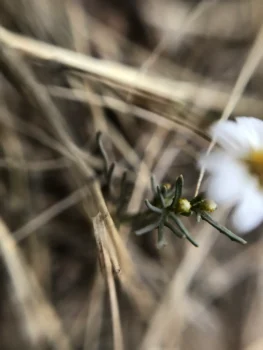
Sonoran Pricklyleaf: A Tiny Desert Gem for Your Native Garden
Meet Sonoran pricklyleaf (Thymophylla concinna), a charming little annual that proves good things really do come in small packages. This native Arizona wildflower might not win any height contests, but what it lacks in stature, it makes up for in personality and ecological value.
What Is Sonoran Pricklyleaf?
Sonoran pricklyleaf is a delightful annual forb—basically a non-woody flowering plant that completes its entire life cycle in one growing season. You might also see it listed under its scientific synonym, Dyssodia concinna, in older gardening references. This native gem belongs exclusively to the American Southwest, where it has adapted perfectly to desert conditions.
Where Does It Call Home?
This little desert dweller is native to Arizona, where it thrives in the Sonoran Desert’s harsh but beautiful landscape. It’s perfectly adapted to the intense heat, brilliant sunshine, and minimal rainfall that characterize this unique ecosystem.
- Species observed
- No observations
Why Consider Sonoran Pricklyleaf for Your Garden?
Before we dive into the why, there’s something important you should know: Sonoran pricklyleaf has a conservation status that suggests it may be somewhat uncommon in the wild. This makes it even more special to grow, but please make sure you source your seeds or plants from reputable native plant nurseries or seed companies that harvest responsibly.
Here’s what makes this plant worth seeking out:
- True desert survivor: Thrives in conditions that would stress most other plants
- Pollinator magnet: Those cheerful yellow flowers attract native bees and other beneficial insects
- Low maintenance: Once established, it practically takes care of itself
- Authentic desert character: Adds genuine Sonoran Desert flair to your landscape
- Ecological value: Supports local wildlife and maintains regional biodiversity
Perfect Garden Spots
Sonoran pricklyleaf shines in:
- Desert and xeriscape gardens
- Rock gardens and gravelly areas
- Native plant gardens
- Areas with poor, well-draining soil
- Spaces that receive intense sun and heat
Growing Conditions and Care
Think desert and you’ll have the right idea:
- Sunlight: Full sun is essential—this plant loves basking in intense desert sunshine
- Soil: Well-draining is key; sandy, gravelly, or rocky soils are perfect
- Water: Minimal once established; relies primarily on natural rainfall
- Climate: Best suited for USDA zones 9-11, particularly in arid regions
Planting and Care Tips
Growing Sonoran pricklyleaf is refreshingly straightforward:
- When to plant: Direct seed in fall for spring germination, following natural desert patterns
- Soil prep: Ensure excellent drainage; amend heavy soils with coarse sand or gravel
- Watering: Provide occasional water during establishment, then rely on rainfall
- Maintenance: Virtually none required—let it follow its natural annual cycle
The Bottom Line
Sonoran pricklyleaf is a wonderful choice for gardeners who want to create authentic desert landscapes while supporting native ecosystems. Its cheerful blooms, drought tolerance, and ecological benefits make it a valuable addition to the right garden setting. Just remember to source it responsibly, given its somewhat limited distribution in the wild.
If you’re gardening outside of Arizona or in conditions that don’t match the Sonoran Desert’s extreme climate, consider exploring other native Thymophylla species or similar desert annuals that might be better suited to your local conditions. Your local native plant society can be an excellent resource for finding the perfect desert gems for your specific location.