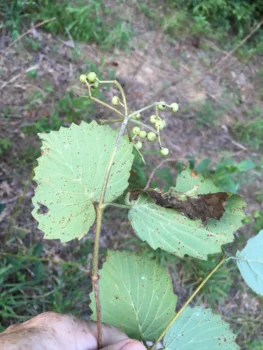
Southern Arrowwood: A Versatile Native Shrub for American Gardens
If you’re looking for a reliable, no-fuss native shrub that delivers year-round interest, let me introduce you to southern arrowwood (Viburnum dentatum var. dentatum). This perennial woody wonder might not have the flashiest name in the plant kingdom, but don’t let that fool you – it’s a garden workhorse that deserves serious consideration for your landscape.
What Makes Southern Arrowwood Special?
Southern arrowwood is a multi-stemmed shrub that typically reaches 8 feet tall and can grow up to 15 feet under ideal conditions. This native beauty puts on quite a show throughout the growing season, starting with clusters of white flowers in early spring that create a lovely contrast against the emerging foliage. The coarse-textured, yellow-green leaves provide excellent density during summer, then transform into conspicuous fall colors that’ll have your neighbors asking what that gorgeous shrub is.
Come summer and fall, the plant produces black fruits that, while not particularly showy to us humans, are appreciated by local wildlife. The moderate growth rate means you won’t be constantly pruning, but you’ll still see meaningful progress each year.
Where Does Southern Arrowwood Call Home?
This versatile native spans an impressive range across the lower 48 states, thriving from Maine down to Florida and stretching west all the way to Texas. You’ll find it naturally growing in states including Alabama, Arkansas, Connecticut, Delaware, District of Columbia, Florida, Georgia, Illinois, Indiana, Iowa, Kentucky, Louisiana, Maine, Maryland, Mississippi, Missouri, New Jersey, New York, North Carolina, Ohio, Pennsylvania, South Carolina, Tennessee, Texas, Virginia, and West Virginia.
- Species observed
- No observations
Important note for Arkansas gardeners: Southern arrowwood has a historical rarity status (SH) in Arkansas, meaning it was once found there but hasn’t been documented recently. If you’re in Arkansas and want to grow this species, please source your plants responsibly from reputable native plant nurseries.
Perfect Spots for Southern Arrowwood in Your Landscape
Southern arrowwood is wonderfully adaptable, making it perfect for various landscape roles:
- Naturalized woodland gardens and forest edges
- Mixed native shrub borders
- Mass plantings for larger properties
- Rain gardens and areas with variable moisture
- Wildlife-friendly landscapes
Its erect, multiple-stem growth form creates excellent structure in the garden, while its intermediate shade tolerance means it can handle spots that get dappled sunlight or morning sun with afternoon shade.
Growing Conditions: What Southern Arrowwood Needs to Thrive
Here’s where southern arrowwood really shines – it’s refreshingly adaptable! This shrub handles coarse, medium, and fine-textured soils with equal grace, and it’s comfortable with pH levels ranging from slightly acidic (4.5) to neutral (7.3).
The key growing requirements include:
- Sunlight: Intermediate shade tolerance (partial sun to partial shade)
- Soil: Adaptable to most soil types with medium fertility needs
- Water: Low drought tolerance, so consistent moisture is appreciated
- Temperature: Hardy to -24°F (roughly USDA zones 5-9)
- Space: Allow room for 8-foot mature height and spread
Planting and Care Tips for Success
Southern arrowwood is typically grown from seed, which is great news for patient gardeners who enjoy the propagation process. Seeds are abundant (about 576,827 per pound – talk about bang for your buck!), and they have a rapid spread rate once established.
When planting, consider these tips:
- Choose a location with morning sun and some afternoon protection
- Ensure consistent moisture, especially during establishment
- Plant in spring after the last frost (needs 163+ frost-free days annually)
- Space plants 4-6 feet apart for natural groupings
- Mulch around the base to retain moisture and suppress weeds
Once established, southern arrowwood is relatively low-maintenance. It has a short lifespan compared to trees, but that just means you’ll get to enjoy watching new plantings establish and mature relatively quickly.
Wildlife and Pollinator Benefits
Those spring white flowers aren’t just pretty – they’re a valuable nectar source for early-season pollinators including native bees, butterflies, and other beneficial insects. The black fruits that follow provide food for birds, while the dense summer foliage offers nesting sites and shelter for various wildlife species.
Should You Plant Southern Arrowwood?
If you’re looking for a reliable native shrub that supports local ecosystems while providing multi-season interest, southern arrowwood is an excellent choice. It’s particularly valuable for gardeners who want to create wildlife habitat or establish naturalistic plantings that feel at home in the American landscape.
The main considerations are its need for consistent moisture (not ideal for xeriscaping) and its moderate size – make sure you have adequate space for its mature dimensions. But for most gardeners in its native range, southern arrowwood offers a perfect blend of beauty, ecological value, and manageable care requirements.
Ready to add this native gem to your landscape? Your local wildlife will thank you, and you’ll enjoy years of seasonal beauty from this underappreciated American native.