Southern Bladderwort: A Tiny Carnivorous Native Worth Getting to Know
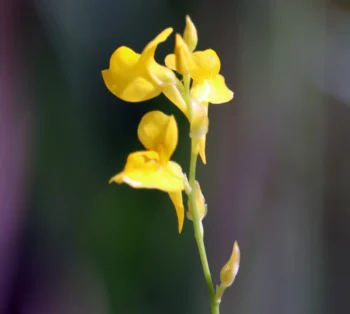
Meet one of nature’s most fascinating little hunters – the southern bladderwort (Utricularia juncea). This delicate-looking native plant might seem innocuous with its wispy stems and cheerful yellow flowers, but beneath the surface lies one of the plant kingdom’s most efficient carnivores. If you’re drawn to unique native plants and have the right growing conditions, this southeastern beauty could be the conversation starter your garden has been waiting for.
What Makes Southern Bladderwort Special
Don’t let its common name fool you – southern bladderwort is actually found throughout much of the eastern United States, not just the South. This native forb (a non-woody flowering plant) calls home to a impressive range of states including Alabama, Delaware, Florida, Georgia, Louisiana, Maryland, Mississippi, New Jersey, New York, North Carolina, Oklahoma, South Carolina, Texas, Virginia, and Puerto Rico.
- Species observed
- No observations
What sets this plant apart is its double life. Above ground, you’ll see delicate stems topped with small, bright yellow flowers that dance in the breeze. Below the surface, however, lies a sophisticated network of tiny bladder-like traps that capture and digest microscopic prey – making this one of our continent’s most widespread carnivorous plants.
Growing Conditions: Not Your Average Garden Plant
Here’s where things get interesting (and a bit challenging). Southern bladderwort is what we call an obligate wetland plant, meaning it almost always occurs in wetlands across all regions where it grows. This isn’t a plant you can simply pop into any garden bed and expect to thrive.
Southern bladderwort requires:
- Consistently wet to saturated, acidic soils
- Nutrient-poor conditions (it gets its nutrients from tiny prey, not rich soil)
- Full sun to partial shade
- USDA hardiness zones 6-10
Is Southern Bladderwort Right for Your Garden?
This unique native is perfect for gardeners who:
- Have bog gardens or water features
- Love carnivorous plants and want to try a native species
- Enjoy unusual plants that spark conversation
- Have naturally wet, acidic areas in their landscape
However, it might not be the best choice if you:
- Have typical garden conditions (well-draining, fertile soil)
- Prefer low-maintenance plants
- Don’t have experience with specialized plant care
- Live outside its natural hardiness range
Creating the Right Environment
Successfully growing southern bladderwort means mimicking its natural wetland habitat. Consider creating a small bog garden using a lined depression filled with a mixture of peat moss and sand. Keep the growing medium consistently saturated with rainwater or distilled water (tap water often contains minerals that can harm carnivorous plants).
If you have a natural wet spot in your yard with acidic soil, southern bladderwort might establish itself there quite happily. Just remember that this is both an annual and perennial plant, meaning some populations may behave as annuals while others return year after year.
Wildlife and Ecological Benefits
While small, southern bladderwort’s flowers do attract tiny pollinators and contribute to the biodiversity of wetland ecosystems. As a native plant, it has co-evolved with local wildlife and plays its part in the intricate web of wetland ecology.
The Bottom Line
Southern bladderwort isn’t for every gardener or every garden, but for those with the right conditions and interest in unique native plants, it offers something truly special. This tiny carnivore represents the incredible diversity of our native flora and serves as a reminder that some of nature’s most fascinating adaptations can be found in the smallest packages.
If you’re intrigued by carnivorous plants but don’t have the specialized conditions southern bladderwort requires, consider starting with easier natives that offer their own unique appeal. But if you have a bog garden or wetland area and want to add a conversation piece that’s both beautiful and functional, southern bladderwort might just be your perfect match.