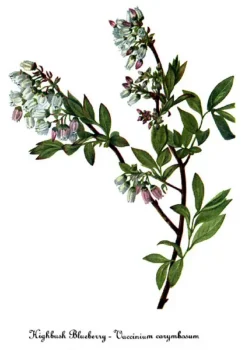
Southern Blueberry: A Native Gem for Wet Gardens
Meet the southern blueberry (Vaccinium formosum), a delightful native shrub that’s perfectly happy getting its feet wet! While it might not be as famous as its cultivated cousins, this wild blueberry brings serious charm to gardens across the southeastern United States.
What Makes Southern Blueberry Special?
Southern blueberry is a perennial shrub that typically grows 3-8 feet tall with multiple stems arising from the ground. Don’t let the southern in its name fool you – this adaptable native can be found from New Jersey down to Florida and as far west as Alabama. It’s also known by the botanical synonym Vaccinium australe, but southern blueberry rolls off the tongue much easier!
Where Does It Grow Naturally?
This native beauty calls eight states home: Alabama, Florida, Georgia, Maryland, New Jersey, North Carolina, South Carolina, and Virginia. You’ll typically find it thriving in the wild from coastal plains to piedmont regions, making itself comfortable in a variety of wet habitats.
- Species observed
- No observations
Why Your Garden (and Local Wildlife) Will Love It
Southern blueberry is like the Swiss Army knife of native shrubs – it’s got something for everyone:
- Spring brings clusters of small, bell-shaped white to pinkish flowers that pollinators absolutely adore
- Summer rewards you with dark blue-black berries (yes, they’re edible!)
- Fall puts on a show with stunning red-orange foliage
- Year-round structure from its attractive branching pattern
The berries aren’t just a treat for you – they’re a crucial food source for birds, while the flowers provide nectar for native bees, butterflies, and other beneficial insects.
Perfect Spots in Your Landscape
Southern blueberry shines brightest when you work with its natural preferences. It’s the perfect choice for:
- Rain gardens and bioswales
- Woodland edges and naturalized areas
- Native plant gardens
- Wildlife habitat plantings
- Areas that stay consistently moist
The Wet Garden Champion
Here’s where southern blueberry really shows off its versatility. Depending on your region, this adaptable shrub has different relationships with water:
- In Atlantic and Gulf Coastal Plains: It’s facultative, meaning it’s happy in both wet and drier spots
- In Eastern Mountains and Piedmont: It’s an obligate wetland plant, preferring consistently moist conditions
- In Northcentral and Northeast regions: It usually prefers wetlands but can tolerate some drier conditions
Growing Conditions That Make It Happy
Southern blueberry thrives in USDA hardiness zones 6-9, making it suitable for most of its native range. For best results, give it:
- Acidic soil (pH 4.5-6.0) – it’s in the blueberry family, after all!
- Moist to wet conditions – this plant loves water
- Partial shade to full sun (though it appreciates some afternoon shade in hot climates)
- Organic-rich soil with good drainage despite moisture preference
Planting and Care Tips
The good news? Southern blueberry is refreshingly low-maintenance once established:
- When to plant: Spring or fall for best establishment
- Soil prep: Add compost or peat moss to increase acidity and organic matter
- Watering: Keep consistently moist, especially during the first year
- Mulching: Apply 2-3 inches of organic mulch to retain moisture and suppress weeds
- Pruning: Minimal pruning needed – just remove dead or damaged branches in late winter
- Fertilizing: Generally unnecessary if planted in appropriate conditions
Is Southern Blueberry Right for Your Garden?
If you have a spot that stays moist (or even occasionally floods), love supporting native wildlife, and want a plant that offers three seasons of interest, southern blueberry could be your new best friend. It’s particularly perfect for gardeners looking to create habitat, manage stormwater naturally, or simply add some native charm to their landscape.
Just remember – this isn’t the shrub for dry, alkaline conditions. But if you’ve got the right spot, southern blueberry will reward you with years of beauty, berries, and biodiversity support!