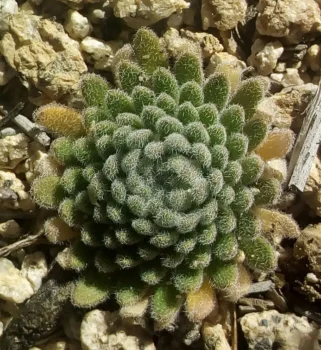
Southern California Draba: A Rare Gem for Specialized Native Plant Gardens
If you’re a native plant enthusiast looking for something truly special and rare, Southern California draba (Draba corrugata) might just capture your heart. This diminutive California native is not your typical garden center find – it’s a botanical treasure that requires both dedication and specialized knowledge to grow successfully.
What Makes Southern California Draba Special
Southern California draba is a small perennial forb that belongs to the mustard family. Unlike many garden plants, this little beauty is what botanists call a forb – essentially a non-woody flowering plant that dies back to ground level but returns year after year from its root system. Think of it as nature’s own little alpine cushion plant.
This charming plant produces delicate clusters of tiny white to pale yellow flowers that may seem modest at first glance, but up close reveal intricate cruciferous blooms typical of the mustard family. The plant forms low rosettes of small, often somewhat wrinkled leaves – which is actually what corrugata means in botanical Latin.
Where Does It Come From?
Southern California draba is endemic to California, making it a true Golden State native. This plant has evolved specifically to thrive in the unique conditions found in California’s montane regions, where it grows naturally in rocky, well-draining soils at higher elevations.
- Species observed
- No observations
A Word About Rarity
Here’s something important to know: Southern California draba has a conservation status of S2S3, which indicates it’s quite rare and potentially vulnerable. This means if you’re considering adding this plant to your garden, you’ll want to ensure any plants or seeds come from reputable, conservation-minded sources that propagate rather than wild-collect their material.
Is Southern California Draba Right for Your Garden?
Let’s be honest – this isn’t a plant for every gardener or every garden. Southern California draba is best suited for:
- Specialized rock gardens that mimic alpine conditions
- Native plant collections focused on rare California species
- Gardens designed specifically for montane or high-elevation plants
- Experienced gardeners who enjoy the challenge of growing unusual natives
If you’re looking for a low-maintenance groundcover or colorful border plant, this probably isn’t your best choice. But if you’re passionate about conserving rare natives and love the satisfaction of successfully growing challenging plants, Southern California draba could be a perfect addition to your specialized collection.
Growing Conditions and Care
Southern California draba is definitely what you’d call a fussy plant, but in the most endearing way. It demands conditions that closely mimic its natural montane habitat:
- Soil: Extremely well-draining, rocky or gravelly soil with excellent drainage
- Water: Moderate moisture during growing season, but never waterlogged
- Light: Bright light, though some protection from intense afternoon sun
- Temperature: Cool conditions; likely hardy in USDA zones 5-8
- Air circulation: Good airflow to prevent fungal issues
The key to success with this plant is thinking alpine conditions – imagine a rocky slope in the mountains where water drains quickly but the soil never completely dries out, and you’ll be on the right track.
Pollinator and Wildlife Benefits
While small, the flowers of Southern California draba do provide nectar and pollen for tiny pollinators, particularly small native bees and beneficial flies. Every little bit helps when it comes to supporting our native pollinator communities, and rare plants like this often have co-evolved relationships with equally specialized pollinators.
The Bottom Line
Southern California draba is a plant for the dedicated native plant enthusiast rather than the casual gardener. Its rarity makes it a conservation priority, and its specialized growing requirements make it a rewarding challenge for experienced growers. If you’re drawn to this unique California native, approach it with respect for its conservation status and patience for its particular needs.
Remember, by choosing to grow rare natives like Southern California draba (with responsibly sourced material, of course), you’re not just adding an unusual plant to your garden – you’re participating in conservation and helping preserve California’s unique botanical heritage for future generations.