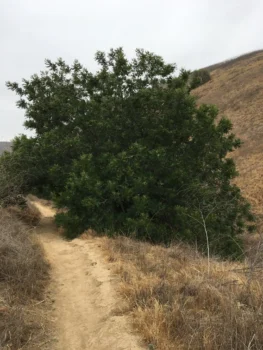
Southern California Walnut: A Rare Native Treasure for Your Garden
If you’re looking to add a truly special native plant to your Southern California garden, the Southern California walnut (Juglans californica) might just be the hidden gem you’ve been searching for. This distinctive shrub doesn’t just bring natural beauty to your landscape—it connects you to California’s rich botanical heritage in a way that few other plants can.
What Makes the Southern California Walnut Special?
The Southern California walnut is a perennial, multi-stemmed woody shrub that typically grows 13-16 feet tall, though it can occasionally reach greater heights or develop a single trunk under the right conditions. Don’t let the name fool you—while it’s called a walnut, this native beauty has its own unique character that sets it apart from its more famous cousins.
Also known simply as California walnut, this plant belongs to the walnut family but has adapted specifically to Southern California’s Mediterranean climate. Its compound leaves create an attractive canopy, and come fall, it produces small but edible nuts that local wildlife absolutely love.
Where Does It Call Home?
This California native is endemic to the Golden State, naturally occurring in the coastal sage scrub and chaparral communities of Los Angeles, Orange, Riverside, and San Bernardino counties. You’ll find it thriving in the foothills and lower mountain slopes, where it has adapted to the region’s unique climate patterns.
- Species observed
- No observations
Important Conservation Note
Here’s something every potential grower should know: the Southern California walnut is considered vulnerable, with a Global Conservation Status of S3. This means it’s rare throughout its range, with typically only 21 to 100 occurrences remaining in the wild. If you decide to grow this special plant, please ensure you source it from reputable native plant nurseries that propagate from ethically collected seeds rather than wild-harvested plants.
Why Consider Growing Southern California Walnut?
There are several compelling reasons to include this native in your landscape:
- Authentic California character: Few plants say Southern California native quite like this endemic species
- Wildlife support: The nuts provide food for native animals, supporting local ecosystems
- Drought tolerance: Once established, it thrives with minimal water—perfect for sustainable gardening
- Seasonal interest: Beautiful compound foliage and attractive winter branching structure
- Low maintenance: Requires minimal care once established
Perfect Garden Settings
The Southern California walnut shines in several landscape applications:
- Native plant gardens and restoration projects
- Drought-tolerant landscapes
- Wildlife gardens focused on supporting local fauna
- Natural screens or privacy plantings
- Specimen plants for unique focal points
Growing Conditions and Care
This adaptable native is surprisingly easy to grow when you understand its preferences:
Climate: Thrives in USDA zones 9-11, perfectly suited to Southern California’s Mediterranean climate
Sunlight: Prefers full sun to partial shade
Soil: Well-drained soils are essential—it won’t tolerate waterlogged conditions
Water: As noted in its wetland status, this plant usually occurs in non-wetland areas but can occasionally handle some moisture. Once established, it’s quite drought-tolerant
Planting and Care Tips
For best results with your Southern California walnut:
- Timing: Plant in fall when temperatures are cooler and winter rains can help establishment
- Watering: Water deeply but infrequently once established—this mimics natural rainfall patterns
- Pruning: Minimal pruning needed; just remove dead or damaged branches
- Mulching: A light layer of organic mulch helps retain moisture and suppress weeds
- Inland areas: May need occasional summer water in the hottest inland locations
A Plant Worth Preserving
By choosing to grow Southern California walnut in your garden, you’re not just adding beauty to your landscape—you’re participating in the conservation of a vulnerable native species. Every responsibly sourced plant helps ensure future generations can enjoy this remarkable California native.
Remember, the key to success with any native plant is working with nature rather than against it. Give your Southern California walnut the well-drained soil and Mediterranean conditions it craves, and you’ll be rewarded with years of natural beauty and the satisfaction of supporting California’s unique botanical heritage.