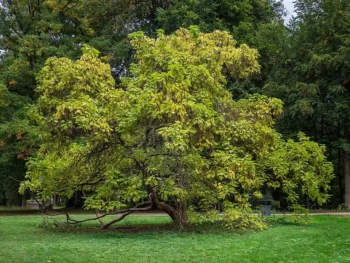
Southern Catalpa: A Fast-Growing Shade Tree with Dramatic Flair
Looking for a tree that grows fast and makes a statement? The southern catalpa (Catalpa bignonioides) might just be the attention-grabbing addition your landscape needs. This distinctive tree brings tropical-looking foliage, showy flowers, and quirky seed pods to gardens across much of the United States.
What Makes Southern Catalpa Special
Southern catalpa is a perennial tree that can reach impressive heights of up to 66 feet at maturity, though it typically stays smaller in most garden settings. What really sets this tree apart are its enormous heart-shaped leaves that can grow 6-12 inches across, giving your yard an almost tropical appearance even in temperate climates.
In late spring and early summer, southern catalpa puts on quite a show with clusters of white, orchid-like flowers that are both fragrant and eye-catching. These blooms are followed by long, slender seed pods that dangle from the branches like green beans – earning this tree the nickname cigar tree in some regions.
Where Southern Catalpa Grows
Originally native to the southeastern United States, particularly the Gulf Coast region, southern catalpa has naturalized across a much broader range. Today, you can find it growing in states from Maine to Florida, and from the Atlantic coast all the way to California and Oregon. It’s even established itself in parts of Canada.
- Species observed
- No observations
This tree is hardy in USDA zones 5-9, making it suitable for most temperate regions of North America.
The Good, the Bad, and the Messy
Before you fall in love with southern catalpa’s dramatic looks, here are some things to consider:
The Positives:
- Rapid growth rate provides quick shade and screening
- Showy white flowers attract pollinators including bees and butterflies
- Large, distinctive leaves create bold texture in the landscape
- Drought tolerant once established
- Adaptable to various soil conditions
- Long-lived tree with strong wood
The Challenges:
- Can be quite messy – large leaves drop in fall, flowers drop in summer
- Seed pods persist through winter and eventually drop
- Needs plenty of space due to its broad, spreading crown
- Not suitable for small yards or formal landscapes
- Coarse texture may not suit all design styles
Growing Conditions and Care
Southern catalpa is refreshingly low-maintenance once established. Here’s what this tree prefers:
- Sunlight: Full sun to partial shade (intermediate shade tolerance)
- Soil: Adaptable to coarse and medium-textured soils, but not fine clay
- pH: Tolerates a range from 5.5 to 7.5
- Water: Low to medium moisture needs; drought tolerant when mature
- Space: Allow plenty of room – this tree spreads as wide as it is tall
The tree performs best in areas with at least 140 frost-free days and can handle temperatures down to -18°F. It strongly prefers upland sites and almost never grows in wetland conditions.
Planting and Care Tips
Getting your southern catalpa established is straightforward:
- Plant container-grown or bare-root trees in spring after the last frost
- Dig a hole twice as wide as the root ball but no deeper
- Water regularly during the first growing season
- Apply a 2-3 inch layer of mulch around the base, keeping it away from the trunk
- Minimal pruning needed – just remove dead, damaged, or crossing branches
- Be patient with young trees – they may look sparse initially but fill out quickly
Wildlife and Pollinator Benefits
While southern catalpa isn’t native to most areas where it’s now growing, it does provide some ecological value. The showy flowers attract various pollinators, and the tree serves as the exclusive host plant for the catalpa sphinx moth caterpillar. However, because it’s not native to most regions, it doesn’t support the same diversity of wildlife that native trees would.
Is Southern Catalpa Right for Your Garden?
Southern catalpa works well if you:
- Have a large yard with plenty of space
- Want fast-growing shade
- Enjoy bold, tropical-looking foliage
- Don’t mind seasonal cleanup
- Appreciate unique architectural trees
However, you might want to consider native alternatives if you’re looking to support local ecosystems. Depending on your region, native options like American basswood, tulip tree, or various native oaks might provide similar benefits while better supporting local wildlife.
With its rapid growth, distinctive appearance, and adaptable nature, southern catalpa can be a striking addition to the right landscape. Just make sure you have the space to let this impressive tree spread its wings – or should we say, its giant heart-shaped leaves!