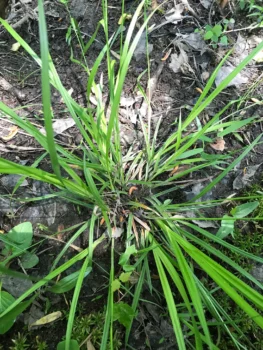
Southern Long Sedge: A Wetland Wonder for Your Native Garden
If you’re looking to add authentic native charm to wet areas of your landscape, southern long sedge (Carex lonchocarpa) might just be the perfect plant you never knew you needed. This unassuming but invaluable sedge brings both ecological benefits and understated beauty to gardens across the southeastern United States.
What Makes Southern Long Sedge Special?
Southern long sedge is a perennial graminoid – that’s botanist-speak for a grass-like plant that’s actually in the sedge family rather than true grass. Don’t worry about remembering the difference; what matters is that this native beauty has been thriving in American wetlands long before any of us started thinking about rain gardens and sustainable landscaping.
You might also encounter this plant listed under its former scientific names, including Carex folliculata var. australis or Carex smalliana, but Carex lonchocarpa is the current accepted name.
Where Does It Call Home?
This sedge is native to a generous swath of the southeastern United States, naturally occurring in Alabama, Delaware, Florida, Georgia, Louisiana, Maryland, Mississippi, New Jersey, North Carolina, South Carolina, Texas, and Virginia. It’s particularly fond of coastal plain wetlands and similar moist habitats throughout its range.
- Species observed
- No observations
A Word About Rarity
Before you rush out to find southern long sedge, there’s something important to know: in New Jersey, this species has a rarity status of S1S2, meaning it’s quite uncommon in that state. If you’re gardening in New Jersey and want to grow this native beauty, make sure you source your plants responsibly from reputable native plant nurseries that propagate rather than wild-collect their stock.
Why Your Garden (and Local Wildlife) Will Love It
Southern long sedge brings several benefits to the landscape:
- Provides fine-textured, naturalistic appeal with its narrow leaves and distinctive seed heads
- Creates habitat structure that beneficial insects appreciate
- Helps with erosion control in wet areas
- Requires virtually no maintenance once established
- Supports local ecosystems as a native species
Perfect Spots for Planting
Southern long sedge isn’t your typical border perennial – it has very specific preferences that make it perfect for certain garden situations:
- Rain gardens: Excellent choice for managing stormwater runoff
- Pond and stream edges: Provides natural-looking transitions between water and land
- Bog gardens: Thrives in consistently moist, organic-rich soils
- Naturalized wetland areas: Perfect for restoration projects or creating wildlife habitat
- Native plant gardens: Adds authentic regional character
Growing Conditions That Make It Happy
Here’s where southern long sedge gets particular – and it’s all about the water. This plant has Obligate Wetland status across all regions where it grows, meaning it almost always occurs in wetlands. Translation: it needs consistently moist to wet conditions to thrive.
Ideal growing conditions include:
- Light: Full sun to partial shade (quite adaptable)
- Soil: Consistently moist to wet, prefers organic-rich soils
- Moisture: This is non-negotiable – it needs constant moisture
- USDA Zones: Hardy in zones 5-10
Planting and Care Tips
The good news about southern long sedge is that once you get the location right, it’s remarkably low-maintenance:
- Planting: Spring or fall are ideal planting times
- Spacing: Allow adequate room for natural spreading
- Watering: Keep consistently moist – this isn’t a plant that tolerates drought
- Fertilizing: Generally unnecessary in organically rich, wetland soils
- Maintenance: Minimal once established – occasional removal of old growth is sufficient
Is Southern Long Sedge Right for Your Garden?
Southern long sedge is an excellent choice if you have consistently wet areas in your landscape and want to embrace native plant gardening. It’s particularly valuable for gardeners interested in creating authentic wetland habitats, managing stormwater naturally, or supporting local ecosystems.
However, this isn’t the plant for dry gardens or areas with inconsistent moisture. If your landscape doesn’t naturally have wet spots, you’ll need to create them through rain garden design or irrigation systems.
For gardeners within its native range who have the right wet conditions, southern long sedge offers the satisfaction of growing a truly regional native plant that supports local wildlife while adding subtle, naturalistic beauty to the landscape. Just remember to source responsibly, especially in areas where it’s considered rare.