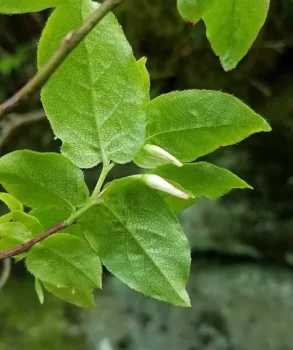
Southern Mountain Cranberry: A Hidden Gem for Your Native Garden
If you’re looking for a unique native shrub that combines beauty, wildlife value, and even edible potential, let me introduce you to the southern mountain cranberry (Vaccinium erythrocarpum). This delightful member of the blueberry family might just be the perfect addition to your woodland garden or naturalistic landscape.
What is Southern Mountain Cranberry?
Southern mountain cranberry is a native perennial shrub that typically grows as a multi-stemmed woody plant, usually staying under 13-16 feet in height. Don’t let the cranberry name fool you – while it produces small, tart red berries similar to its bog-dwelling cousins, this beauty prefers the dappled shade of mountain woodlands rather than wet bogs.
You might also see this plant referenced by its scientific synonyms Hugeria erythrocarpa or Oxycoccus erythrocarpus in older gardening literature, but Vaccinium erythrocarpum is the accepted botanical name today.
Where Does It Call Home?
This native gem naturally grows throughout the southeastern United States, specifically in Alabama, Georgia, Kentucky, North Carolina, Tennessee, Virginia, and West Virginia. It’s particularly fond of the Appalachian Mountain regions, where it thrives in the cool, moist conditions of mountain forests.
- Species observed
- No observations
Why You’ll Love Southern Mountain Cranberry
There are several compelling reasons to consider adding this native shrub to your landscape:
- Seasonal Beauty: In spring, the plant produces clusters of small, bell-shaped white to pinkish flowers that are absolutely charming
- Colorful Berries: The bright red berries that follow the flowers add vibrant color to fall landscapes
- Wildlife Magnet: The flowers attract bees and other beneficial pollinators, while the berries provide food for birds and small mammals
- Native Authenticity: As a true native plant, it supports local ecosystems and requires less maintenance once established
- Versatile Placement: Its facultative wetland status means it can handle both moist and moderately dry conditions
Perfect Garden Companions and Uses
Southern mountain cranberry shines in woodland gardens, native plant landscapes, and naturalistic settings. It works beautifully as an understory shrub beneath taller native trees like oaks, maples, or pines. Consider pairing it with other Appalachian natives like wild ginger, trilliums, or native azaleas for a authentic mountain forest feel.
This shrub is also excellent for gardeners interested in edible landscaping – while the berries are quite tart, they can be used similarly to cranberries in cooking and preserves.
Growing Southern Mountain Cranberry Successfully
Like most members of the Vaccinium family, southern mountain cranberry has some specific preferences, but it’s not particularly fussy once you meet its basic needs.
Location and Soil Requirements
- USDA Hardiness Zones: 5-8
- Light: Partial shade to filtered sunlight (mimicking its natural forest understory habitat)
- Soil: Acidic soil with a pH between 4.5-6.0 is essential
- Drainage: Well-draining soil that retains consistent moisture
Planting and Care Tips
- Plant in spring or fall when temperatures are moderate
- Amend clay soils with organic matter like leaf mold or pine needles to improve drainage and acidity
- Apply a 2-3 inch layer of acidic mulch (pine needles, oak leaves, or bark chips) around the base
- Water regularly during the first growing season to establish roots
- Once established, it’s relatively drought tolerant but performs best with consistent moisture
A Few Things to Keep in Mind
While southern mountain cranberry is a wonderful native choice, it may not be the right fit for every garden. It really needs that acidic soil to thrive, so if your soil is naturally alkaline, you’ll need to work harder to create suitable conditions. Additionally, if you’re looking for a fast-growing shrub for quick screening, this slow-to-moderate grower might test your patience.
However, if you have the right conditions and appreciate the subtle beauty of native plants, southern mountain cranberry offers a unique combination of ornamental value, wildlife benefits, and regional authenticity that’s hard to beat.
The Bottom Line
Southern mountain cranberry represents the best of what native plants can offer: natural beauty, ecological value, and a connection to our local landscapes. While it has specific growing requirements, gardeners who can provide acidic soil and partial shade will be rewarded with a charming shrub that brings a piece of Appalachian wilderness to their own backyard.
Ready to add some mountain magic to your garden? Your local native plant society or specialty nursery should be able to help you source this delightful native gem.