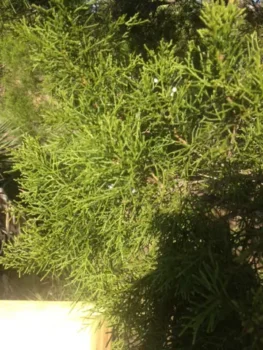
Southern Redcedar: A Coastal Native Worth Growing Responsibly
Meet the southern redcedar (Juniperus virginiana var. silicicola), a charming coastal native that’s been quietly holding down the fort along the southeastern United States for centuries. This evergreen beauty might just be the perfect addition to your landscape – if you can find responsibly sourced plants and live in the right climate zone.
What Makes Southern Redcedar Special?
Southern redcedar is a slow-growing evergreen tree that develops into a stately specimen over time. With its fine-textured, dense green foliage that stays put year-round, this tree offers consistent visual appeal through all seasons. The real showstopper? Those conspicuous blue berries that appear from spring through fall, adding a pop of color and wildlife interest to your garden.
At maturity, southern redcedar can reach up to 65 feet tall, though it takes its sweet time getting there – expect about 30 feet after 20 years of growth. The single-stem, erect growth form creates a classic tree silhouette that works beautifully as a specimen plant or grouped for screening.
Where Southern Redcedar Calls Home
This native tree naturally occurs across the southeastern coastal states, including Alabama, Florida, Georgia, Louisiana, Mississippi, North Carolina, and South Carolina. It’s perfectly adapted to the unique challenges of coastal living, making it an excellent choice for gardeners in these regions.
- Species observed
- No observations
A Word About Conservation
Here’s something important to know: southern redcedar has a Global Conservation Status of S3?, which indicates some level of conservation concern. While this shouldn’t discourage you from growing it, it does mean you should be extra thoughtful about sourcing your plants. Always purchase from reputable nurseries that propagate their own stock rather than collect from wild populations.
Perfect Growing Conditions
Southern redcedar thrives in USDA hardiness zones 8-10, where it enjoys:
- Full sun (it’s quite intolerant of shade)
- Well-draining, coarse to medium-textured soils
- Slightly acidic conditions (pH 6.0-7.0)
- Areas with 240+ frost-free days annually
- Annual precipitation between 29-63 inches
One of the best things about this tree is its adaptability to coastal conditions. While it has low drought and salinity tolerance initially, it’s much more resilient once established.
Landscape Uses and Design Ideas
Southern redcedar shines in several landscape applications:
- Specimen planting: Let it stand alone as a focal point
- Privacy screens: Its dense foliage and hedge tolerance make it excellent for screening
- Coastal gardens: Native adaptation makes it perfect for seaside landscapes
- Naturalized areas: Fits beautifully into native plant communities
- Windbreaks: Sturdy growth helps protect other plants
Planting and Care Tips
Getting your southern redcedar off to a good start is straightforward:
- Timing: Plant in late winter to early spring for best establishment
- Spacing: Allow 300-1200 plants per acre depending on your goals
- Soil prep: Ensure excellent drainage – this tree won’t tolerate soggy conditions
- Watering: Provide regular moisture the first year, then it becomes quite self-sufficient
- Fertilizing: Medium fertility requirements – a balanced fertilizer in spring should suffice
The good news? Once established, southern redcedar is refreshingly low-maintenance. Its slow growth rate means minimal pruning, and its natural resistance to many pests and diseases keeps care simple.
Propagation Possibilities
If you’re interested in growing your own, southern redcedar can be propagated through seeds, cuttings, or purchased as container or bare-root plants. Seeds require cold stratification and have low seedling vigor, so purchasing established plants might be your best bet. The species blooms in late winter with small, inconspicuous yellow flowers.
Wildlife and Ecosystem Benefits
While specific wildlife benefits aren’t well-documented for this variety, junipers in general provide important habitat and food sources for birds and small mammals. The berry-like cones are particularly valuable for wildlife, and the dense evergreen foliage offers year-round shelter.
The Bottom Line
Southern redcedar is a wonderful choice for southeastern gardeners looking to incorporate native plants with staying power into their landscapes. Its slow but steady growth, attractive form, and coastal adaptability make it a smart long-term investment. Just remember to source your plants responsibly and be patient – the best things in gardening are always worth the wait.
Whether you’re creating a coastal garden, need a reliable evergreen screen, or simply want to support native plant communities, southern redcedar delivers on all fronts while asking for very little in return. Now that’s what we call a garden winner!