Southern Spicebush: A Rare Native Gem for Your Shade Garden
If you’re looking for a native shrub that’s both beautiful and beneficial to wildlife, the southern spicebush (Lindera melissifolia) might just be the perfect addition to your garden. But before you rush out to find one, there’s something important you need to know about this special plant.
What Makes Southern Spicebush Special?
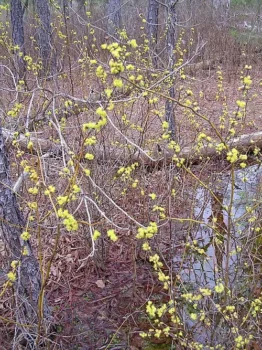
Southern spicebush is a delightful deciduous shrub that brings early spring magic to any landscape. This native beauty produces clusters of tiny, bright yellow flowers in March and April, blooming before its leaves unfurl. The timing is perfect – these cheerful blossoms provide much-needed nectar for early pollinators when few other flowers are available.
But the show doesn’t end with spring flowers. Female plants (southern spicebush is dioecious, meaning you need both male and female plants for fruit production) produce attractive red berries in late summer. Come fall, the entire shrub transforms into a golden beacon as its leaves turn brilliant yellow.
Where Does Southern Spicebush Come From?
This native shrub calls the southeastern United States home, naturally growing in Alabama, Arkansas, Florida, Georgia, Louisiana, Mississippi, Missouri, North Carolina, and South Carolina. You’ll typically find it thriving in wetland areas, from swampy bottomlands to moist woodland edges.
- Species observed
- No observations
An Important Conservation Note
Here’s where we need to have a serious conversation. Southern spicebush is considered endangered at the federal level, and it’s extremely rare in several states where it occurs. This rarity means that if you decide to grow this beautiful native, you absolutely must source it responsibly.
Never collect plants from the wild – this could harm already vulnerable populations. Instead, seek out reputable native plant nurseries that propagate their own stock or participate in conservation programs. Some botanical gardens and native plant societies also offer ethically sourced plants through sales or plant swaps.
Growing Conditions That Make Southern Spicebush Happy
Southern spicebush is surprisingly adaptable for such a specialized plant, thriving in USDA hardiness zones 6 through 9. Here’s what this moisture-loving shrub prefers:
- Light: Partial shade to full shade (perfect for those tricky shady spots!)
- Soil: Consistently moist to wet, acidic soils
- Drainage: Tolerates poor drainage and even occasional flooding
- Size: Typically grows 6-12 feet tall and wide, though it can reach up to 16 feet in ideal conditions
Perfect Spots in Your Garden
Southern spicebush shines in several landscape situations:
- Rain gardens: Its love of moisture makes it ideal for managing stormwater runoff
- Woodland gardens: Provides understory structure and seasonal interest
- Native plant landscapes: Offers authentic regional character
- Wildlife gardens: Early flowers feed pollinators, berries attract birds
- Shade gardens: Brightens dim corners with spring flowers and fall color
Planting and Care Tips
Once you’ve found an ethically sourced southern spicebush, caring for it is refreshingly straightforward:
- Planting: Choose a spot with consistent moisture and plant at the same depth as it was in the container
- Mulching: Apply a 2-3 inch layer of organic mulch to retain moisture and suppress weeds
- Watering: Keep soil consistently moist, especially during dry spells
- Pruning: Minimal pruning needed – just remove dead or damaged branches
- Fertilizing: Generally unnecessary in good soil; compost or leaf mold provides gentle nutrition
Wildlife Benefits
Southern spicebush is more than just a pretty face – it’s a valuable wildlife plant. Early spring flowers provide nectar for native bees and other pollinators emerging from winter dormancy. The bright red berries that follow attract various bird species, while the shrub itself provides nesting sites and cover for wildlife.
Should You Plant Southern Spicebush?
If you have the right growing conditions and can source the plant responsibly, absolutely! Southern spicebush offers unique beauty, supports native wildlife, and connects your garden to the natural heritage of the southeastern United States. Just remember that with great beauty comes great responsibility – always choose conservation-minded sources and never collect from wild populations.
By growing this rare native, you’re not just adding a beautiful plant to your garden – you’re participating in its conservation and helping ensure that future generations can enjoy the cheerful spring flowers and golden fall display of the southern spicebush.