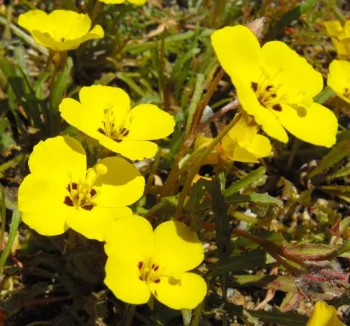
Southern Suncup: A Mysterious Native Wildflower Worth Understanding
If you’ve stumbled across the name southern suncup (Camissonia bistorta) in your native plant research, you’re not alone in feeling a bit puzzled. This elusive member of the evening primrose family is one of those plants that keeps botanists and gardeners scratching their heads—not because it’s particularly difficult to identify, but because there’s surprisingly little information available about growing it in home landscapes.
What Exactly Is Southern Suncup?
Southern suncup is a native forb, which simply means it’s a soft-stemmed flowering plant without woody growth above ground. Think of it as nature’s version of a perennial wildflower that keeps a low profile. As both an annual and perennial (depending on conditions), this adaptable plant belongs to a group that includes some of our most beloved evening primroses.
You might also encounter this plant listed under its synonyms Oenothera bistorta—a reminder that plant naming can be as twisty as the trails where these flowers grow wild.
Where Does It Call Home?
This native beauty primarily calls California home, though there are some records from Massachusetts that botanists are still sorting out. Like many specialized wildflowers, southern suncup seems to have very specific habitat preferences that make it uncommon even within its native range.
- Species observed
- No observations
The Rarity Reality Check
Here’s where things get interesting (and a bit concerning). Southern suncup carries a Global Conservation Status of S3?, which is scientific speak for we’re not entirely sure, but it might be rare. This uncertainty alone should give us pause before attempting to cultivate it in our home gardens.
Why You Might Want to Think Twice
While the idea of growing a rare native wildflower sounds appealing, southern suncup presents some real challenges for home gardeners:
- Very limited cultivation information available
- Uncertain conservation status means responsible sourcing is difficult
- Specific habitat requirements that are poorly understood
- Minimal availability from native plant nurseries
Better Native Alternatives
Instead of struggling with the mysteries of southern suncup, consider these well-documented native alternatives that offer similar benefits with much better success rates:
- Desert Evening Primrose (Oenothera deltoides) – Gorgeous white blooms and proven garden performance
- Beach Evening Primrose (Camissonia cheiranthifolia) – Yellow flowers and excellent drought tolerance
- Narrow-leaved Evening Primrose (Oenothera elata) – Tall spikes of bright yellow blooms
If You’re Determined to Try
Should you locate responsibly sourced seeds or plants (a big if), southern suncup will likely prefer:
- Well-draining soils typical of California’s diverse landscapes
- Full sun exposure
- Minimal water once established
- Protection from harsh winter conditions if grown outside its native range
However, given the plant’s uncertain status and the lack of cultivation guidance, success is far from guaranteed.
The Bottom Line
Southern suncup represents one of those fascinating botanical puzzles that remind us how much we still don’t know about our native flora. While it’s tempting to chase after rare and unusual plants, sometimes the best approach is to appreciate them in their natural habitats and focus our garden energy on native species that are well-understood, readily available, and proven to thrive in cultivation.
By choosing well-documented native alternatives, you’ll create a more reliable habitat for pollinators and wildlife while supporting plants that nurseries can ethically propagate and share. Save the rare and mysterious species for your nature photography expeditions—your garden (and the plants) will thank you for it.