Southern Woodland Violet: A Charming Native Groundcover for Shady Spots
If you’re looking for a delightful native groundcover that brings early spring color to your shady garden spots, meet the southern woodland violet (Viola hirsutula). This petite perennial might just be the perfect addition to your woodland garden or naturalized landscape.
What Makes Southern Woodland Violet Special?
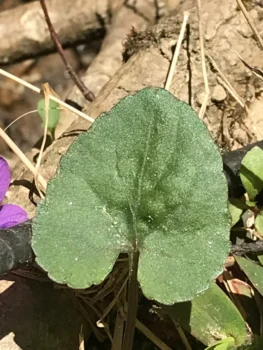
The southern woodland violet is a true native treasure, naturally occurring across 19 states from Connecticut down to Florida and west to Indiana. As a herbaceous perennial, this little charmer returns year after year, spreading gently to form lovely carpets of heart-shaped leaves topped with delicate purple flowers in early spring.
Unlike some of its violet cousins, Viola hirsutula has earned its hirsutula name from the fine hairs that cover its leaves and stems – though don’t worry, they’re soft to the touch, not prickly!
- Species observed
- No observations
Why Your Garden Will Love This Violet
Southern woodland violet brings several wonderful qualities to your landscape:
- Early spring blooms: Purple flowers appear when little else is blooming, providing crucial early nectar for pollinators
- Pollinator magnet: Native bees and butterflies adore these flowers, and fritillary butterflies actually depend on violets as host plants for their caterpillars
- Groundcover power: Spreads naturally to fill in bare spots under trees and shrubs
- Low maintenance: Once established, it pretty much takes care of itself
- Adaptable: Handles various soil conditions and moisture levels
Perfect Garden Settings
This violet thrives in woodland settings and naturalized areas. It’s ideal for:
- Shade gardens under mature trees
- Woodland borders and edges
- Native plant gardens
- Areas where you want gentle, natural-looking groundcover
With its facultative upland status, southern woodland violet usually prefers non-wetland conditions but can tolerate occasional moisture, making it quite versatile for different garden situations.
Growing Conditions and Care
Southern woodland violet is surprisingly easy to please:
- Light: Part shade to full shade (perfect for those tricky spots under trees)
- Soil: Moist, well-draining soil; tolerates various soil types
- Hardiness: Zones 4-8, so it handles cold winters well
- Watering: Regular moisture, especially during establishment
Planting and Propagation Tips
The best times to plant southern woodland violet are fall or early spring. This little plant spreads naturally through runners and self-seeding, so once you get it established, it’ll gradually expand its territory – but not aggressively.
Plant spacing should be about 6-12 inches apart if you’re using multiple plants to fill an area more quickly. Otherwise, be patient and let nature do its work!
Important Conservation Note
Before you rush out to plant southern woodland violet, here’s something important to know: this species has a rarity status of S2 (Highlands Listed) in New Jersey, meaning it’s considered imperiled in that state. If you’re gardening in New Jersey or anywhere within its native range, make sure to source your plants responsibly from reputable native plant nurseries rather than collecting from wild populations.
The Bottom Line
Southern woodland violet is a wonderful choice for gardeners who want to support native wildlife while adding gentle beauty to shady areas. Its early spring flowers, pollinator benefits, and low-maintenance nature make it a smart addition to woodland gardens and naturalized landscapes. Just remember to source it responsibly, and you’ll have a charming native groundcover that both you and local wildlife will appreciate for years to come.