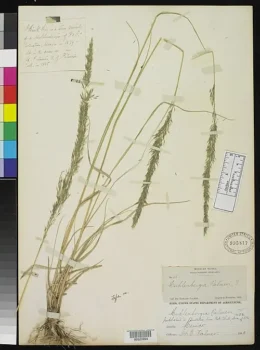
Southwestern Muhly: A Rare Desert Gem for Your Native Garden
If you’re looking to add some delicate texture and authentic desert character to your landscape, southwestern muhly (Muhlenbergia palmeri) might just be the perfect grass for you. This charming native perennial brings an understated elegance to desert gardens, though its rarity makes it a plant that deserves special consideration.
What Makes Southwestern Muhly Special
Southwestern muhly is a true Arizona native, found nowhere else in the world except within the Sonoran Desert region. This fine-textured bunch grass creates beautiful clumps of slender leaves topped with airy, delicate seed heads that dance in the slightest breeze. It’s the kind of grass that whispers rather than shouts, making it perfect for gardeners who appreciate subtle beauty.
Also known by its botanical name Muhlenbergia palmeri, this perennial grass belongs to the graminoid family, which includes all our beloved grasses and grass-like plants. You might occasionally see it listed under its synonym Muhlenbergia dubioides in older references.
Where You’ll Find This Desert Native
Southwestern muhly calls Arizona home, and only Arizona. This exclusive geographic distribution makes it a true regional specialty – like a local delicacy that can’t be found anywhere else. If you’re gardening in the Grand Canyon State, you have the unique opportunity to grow a plant that’s authentically, completely local.
- Species observed
- No observations
A Word About Rarity
Here’s something important to know: southwestern muhly has a Global Conservation Status of S1S2, which indicates it’s quite rare in the wild. This doesn’t mean you can’t grow it, but it does mean you should be thoughtful about how you source it. Always purchase from reputable native plant nurseries that propagate their plants rather than collecting from wild populations. By choosing responsibly sourced southwestern muhly, you’re actually helping conservation efforts!
Why Your Garden Will Love Southwestern Muhly
This grass is a desert gardener’s dream for several reasons:
- Drought Champion: Once established, it thrives on minimal water – perfect for xeriscaping
- Low Maintenance: Requires very little care once it’s settled in
- Wildlife Friendly: The seeds provide food for desert birds
- Design Versatility: Works beautifully as an accent plant or in naturalistic groupings
- Fine Texture: Provides lovely contrast against broader-leafed desert plants
Perfect Garden Partners
Southwestern muhly shines in:
- Desert and xeriscape gardens
- Native plant landscapes
- Low-water ornamental plantings
- Naturalistic desert recreations
It pairs beautifully with other Sonoran Desert natives like brittlebush, desert marigold, and various cacti and succulents.
Growing Southwestern Muhly Successfully
The good news is that this grass is surprisingly easy to grow if you can provide the right conditions:
Climate Needs: Best suited for USDA hardiness zones 8-10, where it can handle both desert heat and occasional light frost.
Sun and Soil: Give it full sun and well-draining soil – this is non-negotiable. Like most desert natives, it despises wet feet and will rot in heavy, clay, or poorly draining soils.
Water Wisdom: During its first year, provide occasional deep watering to help establish roots. After that, it can rely primarily on natural rainfall. Overwatering is more likely to kill it than drought!
Planting and Care Tips
Best Planting Time: Fall is ideal, giving the plant time to establish roots before facing its first summer heat.
Spacing: Give each plant room to form its natural clump shape – typically 2-3 feet apart works well.
Annual Care: You can cut the grass back in late winter if you prefer a tidy look, though many gardeners enjoy leaving the seed heads for winter interest and bird food.
Fertilizer: Skip it! This desert native actually prefers lean soils and can be harmed by too much nutrition.
The Bottom Line
Southwestern muhly is a wonderful choice for Arizona gardeners who want to celebrate their region’s unique plant heritage while creating a beautiful, low-maintenance landscape. Its rarity makes it extra special – you’ll be growing something truly uncommon and helping to preserve a piece of desert biodiversity.
Just remember to source your plants responsibly from reputable nurseries, and you’ll have a delightful grass that connects your garden to the authentic spirit of the Sonoran Desert. Sometimes the most beautiful gardens are built on the quiet elegance of plants like southwestern muhly – natives that have been perfecting their desert survival skills for thousands of years.