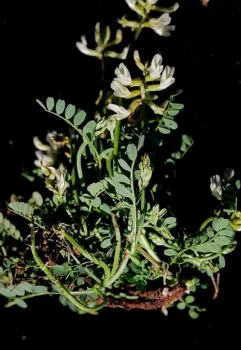
Soxman’s Milkvetch: A Rare Native Gem That’s Best Left Wild
If you’ve stumbled across the name Soxman’s milkvetch (Astragalus soxmaniorum) in your native plant research, you’ve discovered one of North America’s botanical treasures—and one that comes with an important conservation story. This perennial wildflower represents the kind of plant that makes us pause and think carefully about our role as gardeners and stewards of native flora.
What Makes Soxman’s Milkvetch Special
Soxman’s milkvetch is a native perennial that calls the south-central United States home. You’ll find this rare beauty naturally occurring in Arkansas, Louisiana, and Texas, where it has adapted to specific local conditions over thousands of years.
- Species observed
- No observations
As a member of the legume family, this milkvetch likely shares the characteristic pea-like flowers that make Astragalus species recognizable, though detailed descriptions of its appearance are surprisingly scarce in botanical literature—a testament to just how uncommon encounters with this plant really are.
The Rarity Reality Check
Here’s where things get serious: Soxman’s milkvetch carries a Global Conservation Status of S3, meaning it’s considered Vulnerable. In plain English, this plant is rare and local throughout its range, with typically only 21 to 100 known occurrences containing between 3,000 and 10,000 individuals total. In Arkansas specifically, it’s ranked even higher on the concern scale with an S2 status.
What does this mean for gardeners? Simply put, this isn’t a plant you should be seeking out for your landscape projects.
Why You Shouldn’t Plant Soxman’s Milkvetch (And What to Do Instead)
While we’re all about celebrating native plants, Soxman’s milkvetch falls into that special category of species that are too rare and vulnerable for general cultivation. Here’s why:
- Harvesting seeds or plants from wild populations could harm already vulnerable communities
- We don’t have established cultivation practices for this species
- Its specific habitat requirements are not well documented
- Conservation efforts should focus on protecting existing wild populations
Better Alternatives for Your Native Garden
Instead of seeking out rare milkvetches, consider these more common and garden-friendly native alternatives from the same region:
- Purple prairie clover (Dalea purpurea)
- Wild bergamot (Monarda fistulosa)
- Partridge pea (Chamaecrista fasciculata)
- Other more common Astragalus species appropriate to your specific area
These alternatives will give you similar ecological benefits—including pollinator support and nitrogen fixation—without putting pressure on vulnerable plant populations.
If You Encounter Soxman’s Milkvetch in the Wild
Should you be lucky enough to spot this rare milkvetch during your outdoor adventures, consider it a special privilege. Take photos, make notes, but leave the plant undisturbed. If you’re confident in your identification, consider reporting your sighting to local botanists or native plant societies—citizen science observations help researchers track and protect rare species.
The Bigger Picture
Soxman’s milkvetch reminds us that native gardening isn’t just about what we can grow—it’s also about what we choose not to grow. By focusing our gardens on common native species that can handle cultivation and provide reliable habitat, we create beautiful landscapes while leaving rare species to thrive in their natural homes.
Sometimes the most responsible thing we can do as native plant enthusiasts is simply appreciate these botanical rarities from a distance, knowing that our restraint helps ensure future generations might also have the chance to encounter them in the wild.