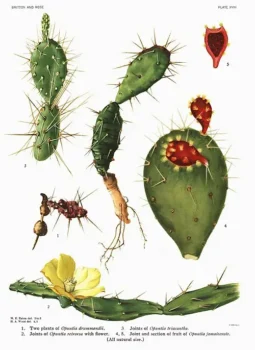
Spanish Lady Cactus: A Charming Native Prickly Pear for Southern Gardens
Meet the Spanish lady (Opuntia triacantha), a delightful native prickly pear cactus that’s been quietly beautifying southeastern landscapes for centuries. This petite member of the cactus family might not be the showiest plant in your garden, but it certainly knows how to make itself useful while adding authentic regional character to your landscape.
What Makes Spanish Lady Special?
Also known by its botanical name Opuntia triacantha, this perennial shrub is a true native of the southeastern United States. You’ll find it naturally growing in Florida, Puerto Rico, and the U.S. Virgin Islands, where it has adapted perfectly to coastal conditions and sandy soils.
- Species observed
- No observations
The Spanish lady is classified as having a Global Conservation Status of S2S4, which indicates it may be somewhat uncommon in parts of its range. This makes it an excellent choice for gardeners who want to support local biodiversity while growing something truly unique to their region.
Garden Appeal and Design Role
Don’t let its humble size fool you – Spanish lady cactus brings plenty of charm to the right garden setting. This low-growing shrub produces lovely yellow flowers that attract bees and other pollinators, followed by colorful red to purple fruits that add visual interest and provide food for wildlife.
Spanish lady works wonderfully in:
- Rock gardens and xeriscapes
- Coastal landscapes
- Native plant gardens
- Low-maintenance drought-tolerant plantings
- As groundcover in challenging sandy areas
Growing Conditions and Care
If you’re looking for a low-fuss native plant, Spanish lady might be your new best friend. This cactus thrives in USDA hardiness zones 9b through 11, making it perfect for gardeners in the warmest parts of the country.
Preferred growing conditions:
- Full sun exposure
- Well-draining sandy or rocky soil
- Minimal water once established
- Good air circulation
Planting and Care Tips
Growing Spanish lady successfully is all about mimicking its natural habitat. Plant in spring when the weather has warmed up, and choose a spot with excellent drainage – this cactus absolutely cannot tolerate soggy conditions.
Here’s how to keep your Spanish lady happy:
- Water sparingly, allowing soil to dry completely between waterings
- Avoid fertilizing – these plants prefer lean conditions
- Provide protection from excessive moisture during humid periods
- Handle with care due to spines (use thick gloves and tongs)
Supporting Conservation Through Responsible Gardening
Given Spanish lady’s conservation status, it’s important to source plants responsibly. Look for nurseries that propagate from ethical sources rather than wild-collected specimens. Many specialty native plant nurseries can provide sustainably grown plants or help you connect with local conservation groups that may have propagation programs.
Wildlife and Pollinator Benefits
While small in stature, Spanish lady punches above its weight when it comes to supporting local wildlife. The bright yellow flowers provide nectar for native bees and other pollinators, while the colorful fruits offer food for birds and small mammals. By planting this native cactus, you’re creating habitat that has supported local ecosystems for generations.
Is Spanish Lady Right for Your Garden?
Spanish lady cactus is perfect for gardeners who want to embrace their region’s natural heritage while enjoying a truly low-maintenance plant. It’s ideal if you have challenging sandy or rocky areas where other plants struggle, or if you’re creating a water-wise garden that celebrates native biodiversity.
Just remember to source responsibly and give this charming native the well-draining conditions it craves. With minimal care, Spanish lady will reward you with years of quiet beauty and the satisfaction of growing a plant that truly belongs in your local landscape.